What to Do If a Sow Won't Eat After Farrowing? Cause Analysis and Solutions
Many pig farms see sows refusing to eat after farrowing, also known as sow lazy confinement disease. It is a clinical syndrome of digestive disorder and reduced appetite that often occurs after a sow gives birth. In mild cases, it reduces the sow's lactation performance, causing piglets to grow slowly and become runts; in severe cases, it causes failure to come into estrus after weaning, and even exhaustion and death. So what causes a sow not to eat after farrowing? How should it be solved? Let's take a look together.
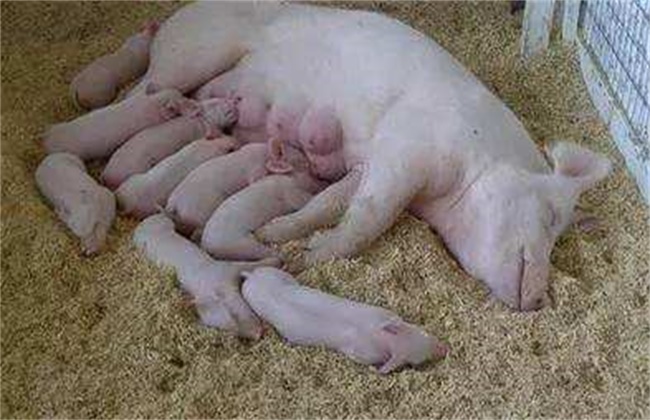
I. Causes of a Sow Not Eating After Farrowing
1. Feeding problems
Feeding too much concentrated feed before farrowing, especially feed with too high a soybean cake content, and a lack of vitamins, minerals and trace elements in the feed, puts an excessive burden on the gastrointestinal tract and causes indigestion, which then leads to not eating after farrowing.
2. Farrowing process problems
Because of difficult farrowing and a prolonged farrowing process, the sow becomes overly fatigued and develops symptoms such as a cold and fever, which then cause her not to eat after farrowing. The cause of the prolonged farrowing process is the sow's weak constitution.
3. Gastrointestinal problems
After the sow gives birth, the reduction of abdominal pressure and the increase in blood flow cause congestion of the abdominal organs, especially the gastrointestinal tract, liver and kidneys, slow gastrointestinal motility and reduced secretion of digestive fluids. This is the root cause of not eating after farrowing.
4. Lactation problems
After farrowing, the sow produces a large amount of milk, and the concentrations of glucose and calcium in the blood decrease, damaging the central nervous system and reducing milk production. Because the piglets do not get enough milk, they become restless, which interferes with the sow's normal rest, causes disorder of the sow's digestive system and leads to not eating after farrowing.
II. Solutions
1. Ensure adequate nutrition
Feeding management should be strengthened and feed reasonably matched. Provide the sow with nutritious green feed. In early pregnancy, green feed should be provided to effectively reduce the adverse effects of feed restriction during pregnancy. In addition, vitamins should be supplemented appropriately.
2. Strengthen management of the sow during pregnancy
When conditions permit, pregnant sows should be given appropriate exercise, and the sow's condition should be controlled so that she is neither too fat nor too thin.
3. Do a good job of hygiene and disinfection
After farrowing, clean up in a timely manner. A sow is weak after giving birth and highly susceptible to disease, so the hygiene, cleaning and disinfection of the pen must be done well. At the same time, obstetric diseases of the sow should be prevented, such as postpartum metritis, mastitis and puerperal fever. This is the key measure to ensure the sow's health.
The above is an introduction to the causes and solutions of a sow not eating after farrowing. We hope it can help you. If you want to learn more related knowledge, please stay tuned to us.