Scientific Hybridization Methods and Technical Key Points for Clivia
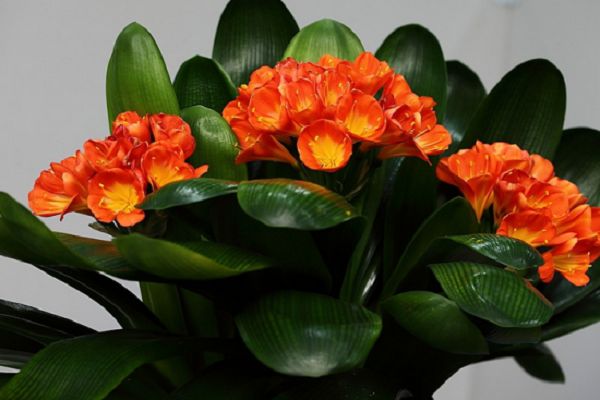
Methods for scientific hybridization of Clivia: (1) Selecting and pairing hybridization parents. Before artificial pollination, select and pair the male and female parents as needed to form a hybridization combination. Choosing a male parent with excellent traits can influence the traits of the female parent, achieving the goal of complementing each other's strengths.
(2) Artificial pollination process. First, when a single flower first opens, before the stamen anthers dehisce, the stamens should be removed entirely with tweezers as early as possible. If more than one pot is blooming, after removing the stamens, the entire inflorescence should be covered with a transparent paper bag to prevent natural cross-pollination. Second, select and collect pollen grains. When collecting pollen, use tweezers to hold the filament, pick it off, then shake the pollen into a glass petri dish, cover it, and store it in a dry, dark, cool place at 0°C-4°C; it generally remains viable for about one week. The best time for pollination is the morning of the 2nd day after the egg cell in the pistil ovary and the stigma have matured, which is roughly the 2nd day after the petals open. At this time, with a magnifying glass, mucus can be seen secreted at the tip of the pistil stigma. Use a new small brush to dip up the collected pollen grains from the male parent and gently apply them onto the pistil stigma; repeat once more the next day, and fertilization will occur. After each flower is pollinated, a label should be hung on it, noting the names of the male and female parents, the pollination date, and the number of pollinations, so as to carry out variety selection and breeding.