What to Do About Root Rot in Clivia? Prevention and Treatment Methods for a Plant Extremely Prone to Root Rot
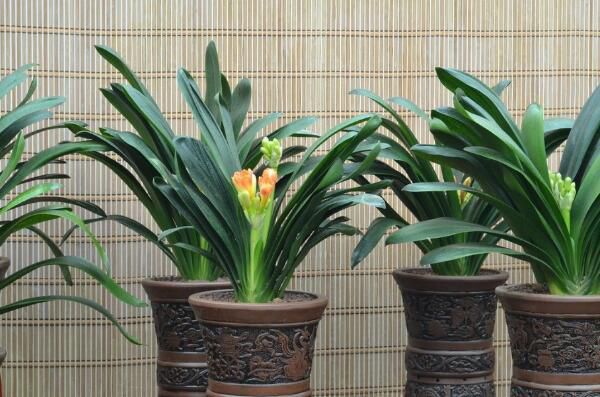
Clivia (Clivia miniata) is an ornamental plant widely used today in homes, offices, outdoor activities and other places, but precisely because of its widespread use, the care of clivia in cultivation is easily overlooked. Beneath the soil, where it cannot be seen, clivia is extremely prone to root rot, and when clivia begins to suffer root rot, the most obvious sign is that it shows through its leaves.
Causes of Root Rot in Clivia
High temperatures and high air humidity, with poor ventilation indoors or in the placement location, make the fleshy roots of clivia prone to rotting; excessive water, with a large amount of water in the nutrient soil and poor air permeability, leaves the roots soaked in water for a long time, causing the roots to discolor and rot; poor soil quality allows bacteria to breed and causes the roots to fester.
Excess fertilizer, where the fertilizer in the nutrient soil has not fully fermented, generates heat and burns the roots, leading to root rot; improper fertilizing of clivia during the growing period, with too large a fertilizer amount, causes the fertilizer to come into contact with the roots, burning them and affecting root absorption; the root tissue is damaged, leading to root rot.
When transplanting or repotting the roots, if they are injured, broken or rotted, the rotted fleshy roots must be completely removed, then coated with charcoal powder or fine stove ash and dried, and only then planted in soil in a pot, to prevent the injured roots from coming into direct contact with the nutrient soil and causing bacteria to breed and the roots to rot; when transplanting or repotting, using a pot with poor air and water permeability leads to root rot.
Solutions for Root Rot in Clivia
The fastest solution is to pick off and cut away the rotted roots, apply charcoal powder or fine stove ash to the wounds, or rinse the roots with potassium permanganate water, and preferably place them in the sun to sterilize with ultraviolet rays; if there is too much root rot, you can prune away most of it and then place it in fine sand to encourage new roots.
Alternatively, use rotted leaf mold as the growing medium to replant the clivia with root rot. Rinse the fleshy roots twice with clean water, pinch off the rotted roots, still apply charcoal powder or fine stove ash to the wounds, and after drying in the shade for two hours, plant it in the leaf mold soil, place it in a semi-shaded spot, water it in a timely manner, keep it moist, and after half a month new roots will grow.
Also remember that clivia must not be over-fertilized, otherwise the root system will be burned and rot; watering must also be moderate, as too much will make the nutrient soil contain too much water and have poor permeability, making it difficult for the roots to breathe and thus causing root rot. Even more important is not to pour water into the heart of the clivia.