What are the postpartum care precautions for cows?
Cattle farming is a relatively important livestock project in China, and the farming area in China is also relatively large. When raising cattle, we should adjust management methods according to the growth stages and various phases of the cattle. Among these, the postpartum care work for cows is also very important, and there are many aspects that need our attention. So what are the precautions for postpartum care of cows? Below, the editor will briefly introduce them to everyone. Let's take a look together!
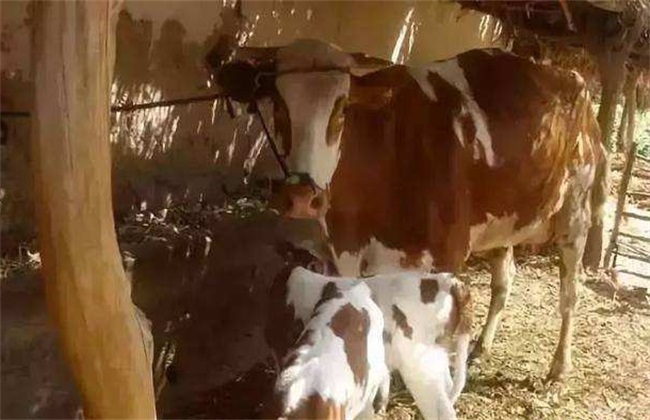
1. Postpartum cleaning
After giving birth, a cow's physique is very poor. If improper management leads to infection, it will not only increase breeding costs, but in severe cases can also lead to death. Therefore, after a cow gives birth, we should clean the areas that are prone to dirt, such as the two flanks, belly, udder, rear part of the body, and tail. When cleaning, pay attention to the water temperature. Do not use cold water; use warm water that is not hot. Then wipe it clean with clean forage or a towel, promptly remove the bedding straw, and replace it with clean, dry bedding straw. Do not let the cow lie in a damp and cold place.
2. Pay attention to drinking water
After a cow gives birth to a calf, it consumes a large amount of physical strength, and the cow's physique is very weak. Therefore, the cow is also very prone to thirst, but note that when providing water, it must not drink cold water. If the cow is allowed to drink cold water, it will cause the cow's body temperature to drop sharply. This causes discomfort in the body temperature environment and makes problems such as colds and fever very likely. Also, stimulation from cold water will affect the cow's retention of the afterbirth and cause serious harm to the cow's physique. So we must pay attention that postpartum cows must not drink cold water. After the cow gives birth, let it rest for about half an hour, then feed it warm water close to the cow's body temperature for about seven consecutive days, and then gradually switch to room-temperature water.
3. Expulsion of the afterbirth
About 6-7 hours after giving birth, attention should be paid to expelling the afterbirth, and at the latest it should be expelled within 12 hours. After the afterbirth is expelled, it should be taken away from the cow promptly to prevent the cow from swallowing it, and it should be checked whether the expelled afterbirth is complete to avoid any residue. If the afterbirth has not been expelled within 24 hours postpartum, or within 12 hours in summer, then manual surgical removal is required. Also observe the discharge from the cow's uterus. If the final color of the uterine discharge is transparent, it means it has roughly been expelled cleanly. If within 10 days postpartum the color is grayish-brown and accompanied by a foul odor, then uterine inflammation may have occurred.
4. Precautions
After the cow gives birth, attention should be paid to promptly covering the cow with warm material to avoid the temperature being too low, which can cause the cow to catch a cold and affect lactation and calf growth. Then use povidone-iodine disinfectant and similar agents to clean and disinfect the cow's vulva. About 5 days after giving birth, some concentrate feed may be appropriately fed, but not too much. It should be appropriately increased according to the rise in the cow's milk production, but it must not exceed 1 jin per day. Some high-quality roughage should be appropriately fed, such as Chinese wildrye, to promote the cow's recovery of condition as soon as possible.
The above is a brief introduction to the precautions for postpartum care of cows. That is all for today's introduction. This article is for reference only, and I hope it can help everyone!