Why do pigs bite their tails? Cause analysis and preventive measures
Tail biting in pigs can occur from time to time on intensive and large-scale pig farms, and once it happens it is extremely difficult to stop. It can seriously affect the health and production performance of pigs and cause huge economic losses for farmers. Therefore, when tail biting occurs in daily work, attention must be paid to it. So what causes tail biting in pigs? Let's take a look.
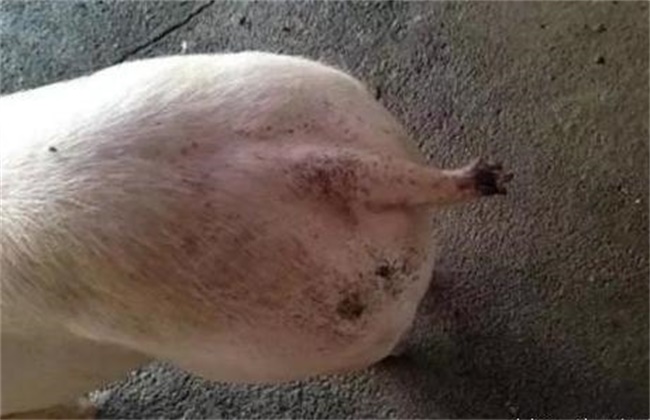
I. Causes of tail biting in pigs
1. Environmental causes
When the farming environment is too poor, for example when the pig house temperature is too high, humidity is too high, manure is not cleaned up in time, air quality is poor, the concentration of harmful gases is high, or the light is too strong, these factors can all affect the normal rest and feeding of the pig herd, making the pigs sensitive and causing fights.
2. Nutritional causes
When the daily diet of pigs lacks one or more nutrients, it can cause disorders of the endocrine system and body metabolism in pigs, leading to some abnormal behaviors. For example, insufficient protein content in the diet and lack of amino acids can cause protein metabolism disorders in pigs and lead to excitement and mutual biting; when salt is lacking, it will aggravate tail biting behavior; when minerals are lacking, pigs will root at the ground and lick and bite each other, causing tail biting.
3. Pica
Pigs have a keen sense of smell and like to lick blood, so when one pig's tail is bitten and bleeds, it will cause other pigs to gnaw on it. As the wound further worsens, severe tail injuries occur. Pigs have strong imitation ability. If this behavior is not stopped in time, the pig herd will imitate it, causing tail biting to spread to the entire herd.
4. Being startled
Being startled is a major factor causing tail biting in pigs. Improper grouping during farming leads to large individual differences in the pig herd, which often causes fighting. In addition, improper methods during feeding, group transfer, weighing, and vaccination, or other animals intruding into the pen and startling the pigs, can easily cause stress responses in pigs, making them restless and leading to biting and fighting.
II. Preventive measures
Docking the tail and clipping the teeth of piglets in time after birth are effective measures to prevent tail biting in pigs. You can choose the tail docking method with tail docking pliers to cut off 1/3 or 1/2 of the piglet's tail, preferably without bleeding to prevent wound infection. During farming, groups should be reasonably divided so that group sizes are similar, and group density should also be noted. Generally, 10~20 piglets per group is suitable, 6~8 fattening pigs is suitable, and breeding boars are best raised in single pens. Attention should be paid to controlling the temperature, humidity, and air quality of the pig house, doing a good job of heat prevention and cooling in summer and insulation against cold in winter, maintaining good ventilation conditions, and reducing the concentration of toxic gases. The amount and proportion of nutrients needed also differ according to the different growth stages of pigs, so when providing nutrition, it should be determined according to the physiological needs of pigs at different stages.
The above introduction to the causes of tail biting in pigs and preventive measures is hoped to help you. If you want to learn more related knowledge, please follow us.