What are the advantages and disadvantages of pig farming on fermentation beds?
Pork is the meat product with the largest annual consumption in our country, so its farming area in our country is naturally very large. Moreover, with the continuous updating of farming technology, there are now many farming models. Among them, pig farming on fermentation beds has been a relatively popular farming model in recent years. So what are the advantages and disadvantages of pig farming on fermentation beds? Today, the editor will give everyone a brief introduction. Let us take a look below!
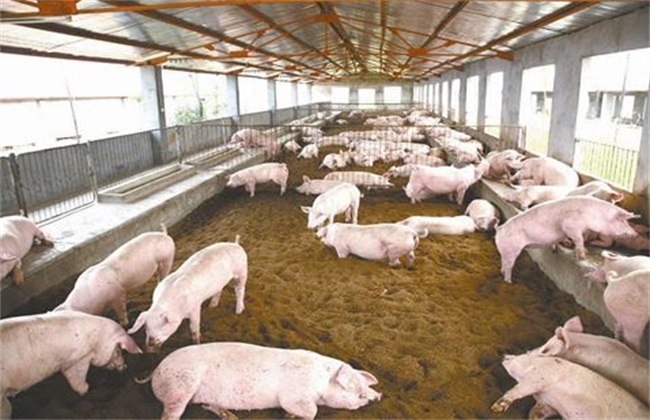
I. Advantages of pig farming on fermentation beds
1. Reducing pollution
The primary advantage of pig farming on fermentation beds is that it can effectively solve the environmental pollution caused by traditional pig farming. This is because the bedding material in the fermentation bed contains various highly active beneficial microorganisms. They can degrade and digest the pigs' excrement, so basically there is no need to clean the pig pens every day. Therefore, the waste produced by the pig house is basically negligible, and there is also no sewage from washing the pens, so the goal of zero discharge can be achieved.
2. Improving the environment
The pig farming environment of fermentation beds is generally dominated by a large-window model that is fully open in summer. In winter, rolling curtains must be used to seal it for insulation. It has good ventilation and can control temperature and humidity well, which is very beneficial to pig growth. Moreover, through the decomposition of pig excrement by microorganisms, there is basically no odor in the pig house, and mosquitoes and flies will not breed. The content of various harmful gases will be far lower than in traditional pig houses, which can effectively improve the pig house environment.
3. Improving feed utilization rate
The beneficial microorganisms in the fermentation bed filler can supplement the nutrients that are insufficient in the pigs' feed. It improves the utilization rate of vitamins and various trace elements. Moreover, adding some beneficial microbial agents in controlled proportions to the feed, such as natto bacteria and yeast, can not only perform an antibiotic-like function, but also promote the reproduction of lactic acid bacteria and bifidobacteria in the pigs' gastrointestinal tract. It enhances the pigs' gastrointestinal function and disease resistance, improves the utilization and digestion rate of feed, and can also reduce death loss costs.
4. Improving pork quality
Pigs grow on fermentation bed bedding, which not only provides a very comfortable environment, allowing the pigs to move fully and restore their original natural habits, ensuring normal growth of the pigs. Moreover, there is basically no spread of pathogenic bacteria in the pig house, the incidence rate is very low, the pigs are clean and the pork color is white. The quality of the pork is also very high, and it is a type of pollution-free pork.
II. Disadvantages of pig farming on fermentation beds
Now, judging from the current situation of the pig farming market in our country, whether pig farming on fermentation beds can be vigorously promoted still needs careful consideration. At present, the pig farming model on fermentation beds is generally only suitable for small-scale farmers in the north and other places where summer temperatures are not high. This is because cooling work in fermentation bed farming in summer is relatively difficult. In addition, the cost input for farming is relatively high, and there are also great requirements for farming technology. When carrying out epidemic prevention procedures, it is very difficult to complete implementation.
The above is a brief introduction to the advantages and disadvantages of pig farming on fermentation beds. That is all for today's introduction. This article is for reference only, and I hope it can help everyone!