What practical tips are there for raising sheep in rural areas? These breeding methods need to be mastered
Raising sheep requires careful study; it is not simply a matter of following other people's breeding methods. Some little tricks you figure out yourself may be extremely helpful for your own breeding. So what tips are there for raising sheep? Let's take a look at these few below, and I hope they bring you some help with raising sheep.
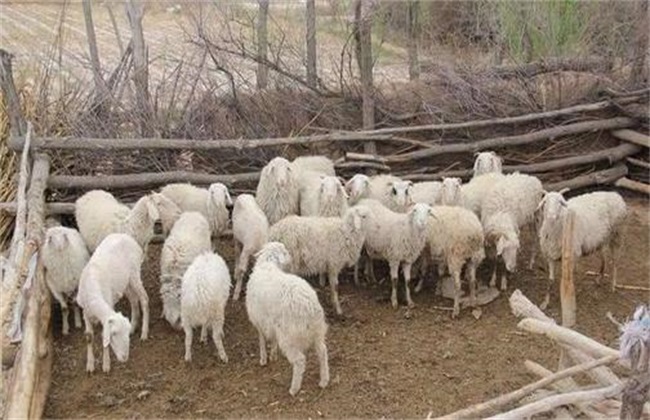
1. How to control temperature
Controlling the temperature of the flock in summer is a problem that many breeders find rather troublesome, so what tips can help breeders control the flock's temperature? First, when grazing, do not graze on grassland; you can choose mountain land for grazing, where sunlight cannot shine directly and the temperature will be relatively lower. As for the sheep pen, you can build a small pool in a spot downwind of it, so that the evaporated water vapor can ease the high temperature of the pen with the wind. Then spread the flock in the pen out a bit more, and to a certain extent the temperature can be controlled this way.
2. Drinking water management
The tips for drinking water are very simple: just replenish it according to demand. In summer, the water in the morning should be water that has been left standing for a while, with a milder water temperature, while the water at noon and in the afternoon should be fresh water with a lower temperature; this kind of water will better match the flock's current body temperature for drinking. In winter, warm water should always be chosen for feeding, and as soon as the water turns cold it should be replaced immediately to avoid the sheep drinking it. In summer, it is best to add a little salt to the water the sheep drink. I believe many breeders already do this; these are some little tips about drinking water.
3. How to graze
Grazing is mainly adjusted according to temperature and humidity. On mornings with a lot of mist, the flock needs to be let out later, because when there is more dew, sheep that eat too much grass are prone to problems. Sheep that drink too much water are prone to bloating, and it is also not good for their digestion. When grazing in the afternoon, you can appropriately extend the time a bit: first, the temperature gradually drops, and second, the surface of the forage contains less water, which is just right for the sheep to eat. When grazing, it is best to choose grassland that is more or less uniform; otherwise the flock will run to places where the grass looks more abundant, which is not good for grazing management.
4. Disease prevention tips
Many diseases of sheep are relatively easy to contract, so raising sheep must be different from other types of breeding, especially in dealing with diseases. As long as you find that a sheep is sick, the best first choice is isolation, especially when you do not know what the disease is, and then slowly check what the disease is. As long as there is a possibility of infection, first disinfect the pen where the sick sheep is kept. Sheep diseases can be treated slowly, but preventing infection must always be kept in mind.
The above are some simple little tips for raising sheep, and I believe they can bring you some help. The improvement of breeding technology is a summary of your own experience in the breeding process. From the very beginning of breeding, everyone can think about more things and try out some ideas; I believe there will always be some that bring you gains.