What causes osmanthus trees to drop their leaves?
The osmanthus tree is a tree with very high ornamental value and is grown on a very large scale in China. The osmanthus tree not only has high ornamental value, but can also be used in medicine. Its seedlings are also widely popular on the market, but when growing osmanthus trees, the phenomenon of leaf drop often occurs, seriously affecting their ornamental appeal. So what exactly is going on when an osmanthus tree drops its leaves? Let's take a look together below!
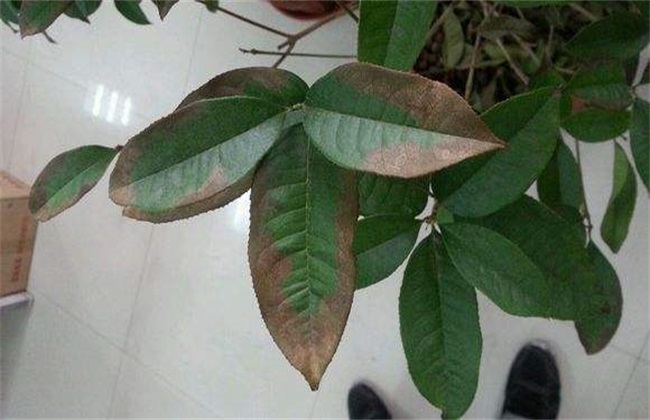
1. Too much water
During its growth, the osmanthus tree has a fairly high demand for water. However, the osmanthus tree's tolerance for waterlogging is indeed rather poor, so when we water it, if we do not control the amount of watering well or water too frequently, then water accumulating in the soil will seriously affect the growth and development of the roots. This blocks the roots' absorption and transport functions, and because the osmanthus tree lacks nutrients, it will begin to show leaf drop. Therefore, be sure to control the amount of watering well and do not water too much. If there is too much water, water less or stop watering, and then drain the water promptly.
2. Improper fertilisation
When growing osmanthus trees, although fertilisation is indispensable, we must be sure to control the amount of fertiliser when applying it. We should fertilise reasonably according to the growth needs of the osmanthus tree and must not apply too much. If too much fertiliser is applied and a large amount of fertiliser accumulates in the soil, then because the osmanthus tree cannot absorb it all, it may cause root burn, leading to root rot. This in turn causes the osmanthus tree to drop its leaves, so we should mainly apply light fertiliser and control the amount well. If too much fertiliser has been applied, then you can water appropriately to flush out the fertiliser and ensure the osmanthus tree's growth.
3. Too much light
Light is very important for the growth of the osmanthus tree. A reasonable light environment can promote the growth of the osmanthus tree, increase its flowering rate, and enhance its growth ability. But we should also note that when growing osmanthus trees, the light must not be too strong. If the light is too strong and the osmanthus tree remains in such an environment for a long time, then the leaves will be scorched by the sunlight, lose their growth ability, and be unable to carry out photosynthesis. This causes the leaves to turn yellow and drop, so we should pay attention to providing shade. Especially in the strong light and high temperature environment of summer, shade promptly to avoid adverse effects.
4. Damage from pests and diseases
The osmanthus tree's resistance to pests and diseases is not very strong, and it is easily harmed by pests and diseases. Moreover, there are many types of pests and diseases, and some of them will harm the leaves of the osmanthus tree, causing the leaves to drop and die. Especially in summer, because the air is rather stuffy and hot, if ventilation is poor and air circulation is bad, pests and diseases are even more likely to occur. Therefore, we should strengthen the prevention and control of pests and diseases. If symptoms of pests and diseases appear, promptly identify exactly which pest or disease it is and, when necessary, prune away the affected branches, then take corresponding measures and apply the right treatment.
The above is a brief introduction to why osmanthus trees drop their leaves. That is all for today's introduction. This article is for reference only, and we hope it can help everyone!