When is the best time to cull laying hens?
Laying hen farming is mainly for eggs. When raising laying hens, because their production performance is limited, we need to pay attention to observing their growth and promptly cull those whose production performance is gradually declining, so as to avoid affecting the overall production efficiency of the flock. However, many farmers basically have no concept of this when raising laying hens, and they do not know when to cull. So when is the best time to cull laying hens? Let's take a look below!
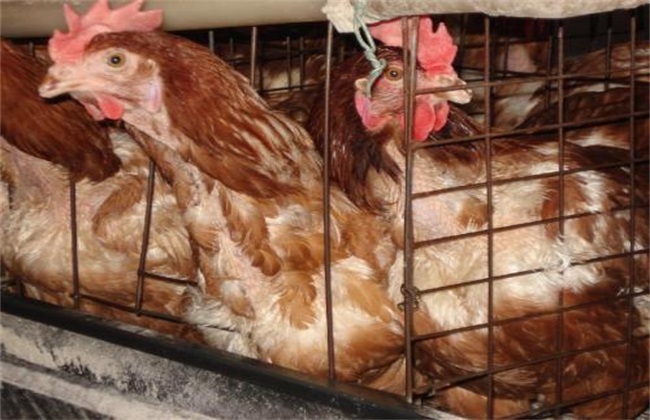
1. What are culled hens
When raising laying hens, basically pullets are raised into laying hens. But because the laying period of laying hens is limited, they cannot keep laying eggs forever, and after reaching the decline stage of egg production, even if they can still lay eggs, the benefits brought by their egg production are not as much as what the chicken consumes. Therefore, when the egg production of laying hens drops significantly or the profit from egg production is too low, causing the value this chicken brings to the farmer to be far less than its daily consumption, it should be culled in time. These are culled hens.
2. When is the best time to cull
The culling time of laying hens actually follows a certain pattern. Under normal circumstances, a laying hen should be culled when it reaches about 71 weeks of age. That is roughly around 500 days, because 500 days can be said to be a critical point for egg production in laying hens. At this time, the laying rate of the hens will begin to decline significantly, and the quality of the eggs will also decrease. Therefore, everyone can choose a time when the chicken meat price is good, and it is best to cull before holidays, so that benefits can be maximized as much as possible.
3. Culling factors
The time that affects the culling of laying hens is actually greatly related to breeding costs. For example, the price of eggs and feed, etc. If the egg price is still fairly good, then the culling time can be appropriately delayed, while if feed prices rise, then culled hens should be culled as early as possible to avoid increasing breeding costs. And we can also cull according to the characteristics of the laying hens. If they are small in size, relatively light in weight, and have a stiff abdomen with poor elasticity, then they can basically be judged as low-yield hens. If it still cannot be determined, then raise them in isolation and check every day whether there are eggs about to be laid. If there is no egg production for more than 3 days, then they can basically be culled.
4. Culling should not be too early
Now many chicken farms have the problem of culling laying hens too early. For some farmers with decent breeding technology, they can extend the peak laying period of laying hens, and the laying time can also be longer, generally raising them to over 70 weeks. But many farmers cull them at around 60 weeks, which actually seriously wastes the laying performance of the hens. Many people think that laying hens in the later stage have low laying rates and poor quality, but these can all be adjusted through feeding and management work. Culling too early will also have a great impact on breeding efficiency, so everyone should pay more attention.
The above is a brief introduction to when is the best time to cull laying hens. That is all for today's introduction. This article is for reference only, and I hope it can help everyone!