Can white liquor be used to disinfect Clivia roots that have rotted? White liquor irritates the roots and causes damage
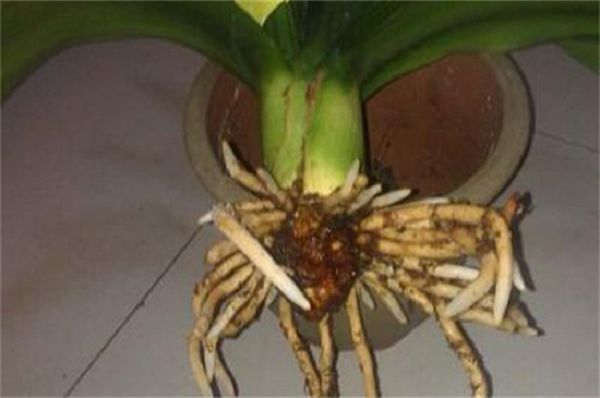
Many people do not know whether white liquor can be used to disinfect rotted Clivia roots. In fact, white liquor is highly irritant and will have an adverse effect on rotted Clivia roots. Generally, medical alcohol or potassium permanganate is chosen for disinfection. After Clivia roots rot, its root system should be trimmed, then disinfected and air-dried, after which it should be replanted into soil. With good follow-up care, it can then grow healthily.
I. White liquor cannot be used to disinfect rotted Clivia roots
Many people, when growing Clivia, cause root rot through improper care. When dealing with it, many wonder whether white liquor can be used to disinfect rotted Clivia roots. In fact, it is best not to use white liquor for disinfection, as it is highly irritant and will damage the roots even more severely.
Generally, after Clivia roots rot, you can choose to disinfect them with medical alcohol, or soak them in a potassium permanganate solution; both can sterilise and disinfect the roots and allow the rotted roots of the Clivia to slowly regain vitality.
II. How to handle Clivia after root rot 1. Trim the root system
After discovering that Clivia roots have rotted, remove the roots from the soil for treatment, rinse the soil off the roots with clean water, then use sterilised scissors to trim the rotted roots of the Clivia, so as to prevent the pathogens from spreading to healthy roots and causing them to continue rotting.
2. Disinfect and air-dry
After trimming the Clivia root system, the wounds must also be disinfected. Prepare a potassium permanganate solution diluted with water and soak the roots in the solution for about 5 to 10 minutes, or apply medical alcohol to the wounds, then place it in a cool, ventilated area and wait for the wounds to air-dry.
3. Replant
Plant the Clivia, whose wounds have been treated and air-dried, directly into the prepared potting soil. Choose loose, breathable soil; you can mix pine needle soil, leaf mould, sand and charcoal granules in a 2:2:2:1 ratio, then provide good care. Generally, in about 7 to 10 days the Clivia will grow new roots and resume growth.
4. Follow-up care
After replanting, the Clivia also needs good follow-up care. Be careful not to water or fertilise too much, to prevent water and fertiliser accumulation, which would cause the Clivia to suffer root rot again. Also ensure its growing environment is dry and ventilated, avoiding the formation of a stuffy, hot environment that would cause poor growth in the Clivia.