When is the best time to repot a clivia? Spring and autumn are the most suitable
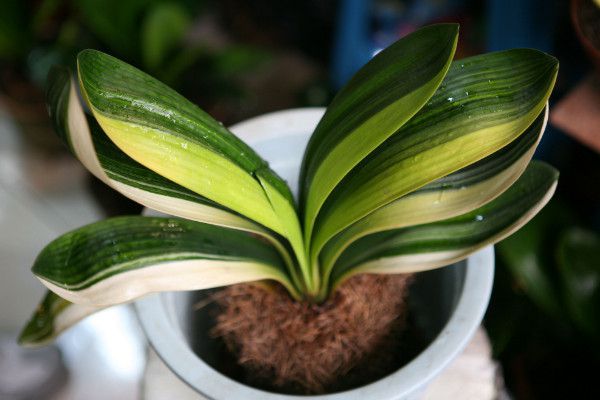
After being grown at home for a period of time, a clivia needs to have its soil and pot changed. On one hand, this transitions it into a new growth period, and on the other hand, it ensures the soil is rich in nutrients and healthy. When repotting, the roots and rhizome must be handled properly, and the growing soil must be prepared and readied in advance. After a successful repotting, water thoroughly once.
1. Repot in spring and autumn
For clivia care, the best time to repot is spring and autumn, as these two seasons are the most suitable. Spring and autumn are the transitional seasons between the intense summer heat and the freezing cold weather. During these two seasons, the clivia is either in its dormant period or entering its peak growth period. Besides choosing the season, you also need to consider the clivia's own growth and development condition; repotting at random will instead harm the plant.
2. Reasons for repotting
Some growers find repotting troublesome and simply skip it, but this is actually a very wrong idea. During the clivia's growth and development, the soil in the pot changes: the acidity and alkalinity keep fluctuating, and the soil may even become clayey or alkaline. If you do not repot, the clivia's roots and rhizome will be damaged.
3. Handling the roots and rhizome
Of course, repotting is not as simple as just preparing new soil and planting. Before repotting, make sure the old soil is slightly dry, turn the pot upside down to take out the roots and rhizome, and keep one third of the old soil to protect the roots. Use a sharp pruning knife to cut off rotten roots, old roots, diseased roots and so on, then soak them in a disinfecting solution to sterilise, air-dry them, and wait to transplant them into the new soil.
4. Soil selection
The new soil used for repotting needs to be mixed and prepared from nutrient soils such as leaf mould and pine needle soil, to ensure the new growing environment has sufficient nutrients suitable for root and rhizome growth. The roots must be fully in contact with the soil and packed firm, and after changing the soil, water thoroughly once to ensure both temperature and humidity are within the normal range.