What to Do When Orchid Leaves Have Black Spots? Three Methods to Keep the Leaves Clean and Green
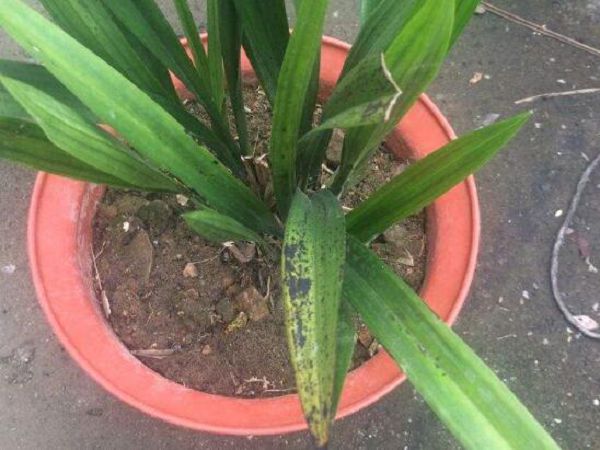
Orchids have elegant blooms and a lofty artistic charm, and are regarded by many literati and scholars as the purest and noblest of flowers. However, many flower lovers discover black spots on orchid leaves when growing them. What should you do when orchid leaves have black spots? In fact, black spots on orchid leaves are mostly caused by anthracnose, and you need to promptly spray insecticide to eliminate the pests, and also make sure to keep them in a ventilated environment and reduce watering.
I. What to Do When Orchid Leaves Develop Black Spots
The orchid is a very delicate flower, and when caring for it you must pay attention to the growing environment, otherwise orchids can very easily develop anthracnose. The symptom of anthracnose is the appearance of black spots on the leaves, and if it is not addressed, the disease will spread and the plant will wither or even die. Let's take a look at how to deal with it!
1. Moderate Ventilation
The biggest cause of orchids contracting anthracnose is that the plant's environment is too harsh. Many people do not know what to do when orchid leaves have black spots. In fact, orchids like a semi-shaded environment, and a moderate amount of light will make the plant grow even more splendidly. A damp and stuffy environment will cause the orchid to be infected by fungi, and the leaves will also develop black spots. It is best to place it in a cool, ventilated environment.
2. Spray Medication
Once orchid leaves already have black spots, we need to spray the plant with a treatment. In mild cases, you can spray with carbendazim; if it is severe, you should mix carbendazim with thiophanate-methyl, dilute it, and spray the entire orchid plant. On average, once every 15 to 20 days; after 2 treatments, the plant will return to health.
3. Use Moss and Algae as Growing Medium
Orchids are delicate by nature. If black spots appear, after spraying medication to resolve them, you must find some moss and algae to use as orchid growing medium, laying it on top of the orchid's potting soil. In this way, both the nutrients and the water retention of the orchid's soil are kept under control. However, after using moss and algae as growing medium, you must reduce the amount of watering, otherwise the water retention of the moss and algae will make the plant take in too much water and damage the orchid's roots.
II. How to Prevent Orchids from Developing Black Spots 1. Environment
Orchids are very delicate, and if you want to grow them well, environmental factors are extremely important. You must let them grow in a cool, somewhat ventilated environment. Light especially needs to be moderated; in summer it is best to grow them in diffused light, using a shade net to block 70% of the light. No matter the season, keep the orchid's daily sun exposure to no more than 4 hours.
2. Moderate Watering
The most important thing in growing orchids is watering. Only with moderate watering will the orchid have elegant flower colors and glossy green leaves with no black spots appearing. There is no fixed number of days for watering orchids; when you water, water thoroughly in one go, and wait until the soil dries out before watering again. Never water while the soil is still moist.
3. Timely Pruning
As orchids grow, there are always problems big and small that cause the plant to develop some dry and yellowing leaves. These diseased, weak leaves and yellowing leaves remaining on the plant must be cut off. Only in this way can you initially preserve the orchid plant's nutrients, thereby reducing the harm of yellowing orchid leaves, and black-spotted leaves will not appear either.
4. Spray Carbendazim
Orchid anthracnose often occurs during the plum rain season, so in order to effectively prevent black spots from growing on orchid leaves, we need to spray carbendazim in advance during cultivation to protect the plant. It is best to spray a carbendazim solution before the plum rain season arrives, spraying once every 15 days; after 3 treatments, the plant will develop resistance to anthracnose.