How to deodorize a chicken coop? These methods are simple and practical
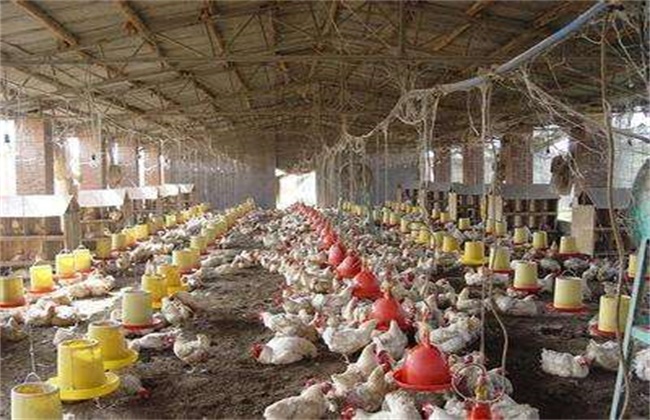
As pork prices rise, the prices of all kinds of meat have also begun to soar. Among these, many farmers choose to raise chickens, and raising chickens is inseparable from a chicken coop. Even for free-range chickens under trees, there will be a simple chicken coop. However, during the breeding process, the excrement in the chicken coop produces a large amount of toxic gas, and the odor is strong, which is highly likely to cause respiratory diseases in the flock. So how should a chicken coop be deodorized? Let's take a look together.
1. Deodorization with bedding
Sulfur can be mixed into the bedding so that the pH of the droppings is less than 7. This can continuously inhibit the production and release of ammonia in chicken manure, thereby reducing the ammonia content in the chicken coop, reducing the foul odor, and ensuring the smooth growth of the flock. Generally, 5 kg of sulfur is spread per 100 sq m. After adding it, an appropriate humidity must be maintained. If the bedding is too wet, it will have no effect at all. At the same time, the bedding must be replaced regularly, generally once every half month, to ensure the bedding is clean.
2. Odor absorption by the floor
Superphosphate can also be used for deodorization. It can chemically react with the ammonia in chicken manure to form an odorless solid ammonium phosphate salt, which can reduce the release of ammonia from the manure and lower the odor of the chicken coop. Generally, 10 [units] of superphosphate are spread per 100 sq m of floor. Spread it on the bedding, and likewise spread it once after replacing the bedding every half month.
3. Chemical deodorization
In addition to the above two methods, chemical deodorization is also a commonly used deodorization method. Hydrogen peroxide, potassium permanganate, copper sulfate, acetic acid, and others have odor-suppressing effects and can [reduce] the odor of the chicken coop. You can spray the bedding with 4% copper sulfate, or 2% benzoic acid, or 2% acetic acid. At the same time, use slaked lime to spread over the chicken coop for disinfection, also once every half month, and replace the bedding in time.
4. Deodorization with Chinese herbal medicine
Our traditional Chinese herbal medicine deodorization is also a good method. You can use mugwort leaves, Atractylodes lancea, folium isatidis, garlic, plus straw, pile them in a safe area of the chicken coop and ignite them. This can also achieve an excellent antibacterial and deodorizing effect, improving the air quality of the chicken coop. It can be done once a month.
The above is an introduction to how a chicken coop should be deodorized. I hope it can help you. If you want to learn more related knowledge, please follow me.