How to care for jasmine in winter? Do these things well for a safe overwintering
Jasmine comes in many flower colors, blooms brightly and beautifully, and also gives off an alluring fragrance, making it deeply loved by plant growers. However, when growing it in winter, attention must be paid: jasmine is not cold-tolerant, so preparatory work is needed. So how should jasmine be grown in winter? Follow along with the editor to learn about it.
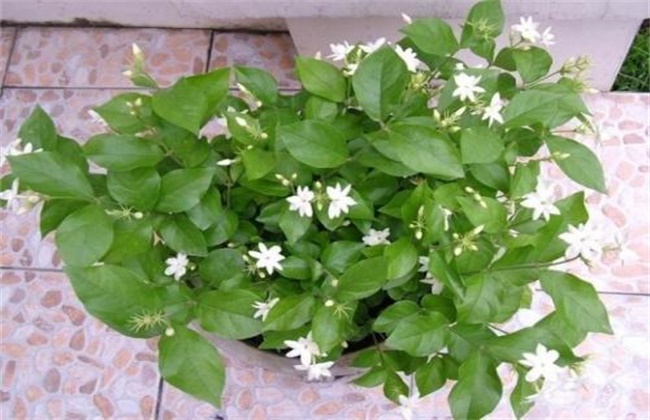
1. Do a good job of heat preservation and frost protection measures
Jasmine has low cold tolerance and is somewhat fragile in low winter temperatures, so heat preservation and frost protection measures should be done well in winter. When early winter begins, the temperature starts to gradually drop. At this time, it can still be kept outdoors; when it adapts to the falling temperature, it will also undergo corresponding changes itself. When the temperature drops to around 5°C, it can then be moved indoors for growing, but note that sufficient light must still be maintained. If there are no heating facilities indoors, when the temperature is below 0°C, a plastic bag can be used to cover it for insulation.
2. Control watering
After entering winter, jasmine will enter a dormant state. At this time its physiological functions basically stop, so it also has no excessive demand for water; generally it is enough to keep the potting soil slightly moist. In winter, water generally once every 2-3 weeks, and the amount of water should not be too large; just water a little along the edge of the pot. Also note that when the temperature drops sharply, do not water; wait until the temperature rises, and choose to water at noon when there is plenty of sunlight. Once you water when the temperature drops sharply, it is very likely to cause frost damage to the jasmine roots, and during the overwintering period it is very likely to cause the plant to die.
3. Stop fertilizing
Jasmine flowers come in many colors and bloom brightly. When blooming, it consumes a large amount of nutrients, so during usual care it needs timely application of fertilizers such as nitrogen, phosphorus, potassium, calcium, and magnesium to make the flowers bloom more brightly. However, no fertilization is needed in winter; fertilization can be stopped in October, otherwise it will cause jasmine to grow leggy, and may even cause wilting and death.
4. Pruning
Pruning jasmine before winter begins is a very important step. It not only helps jasmine overwinter safely, but also makes jasmine grow better. All the aged, thin and weak, and non-flowering branches of jasmine can be pruned off, while keeping part of the lower branches and leaves, which can increase jasmine's ornamental appeal and also enable jasmine to produce more beautiful flowers the following year.
The above is an introduction to how jasmine should be cared for in winter. We hope it can help you. To learn more related knowledge, please keep following us.