What are the signs of estrus in cows and the methods for identifying it
Cattle are a livestock species with a relatively large farming area in China, and beef is also a fairly popular meat product on the market. Therefore, there are still quite a lot of people raising cattle now, and when raising cattle, the work of estrus and mating in cows is something we cannot ignore. This will directly affect whether the herd can continue to be raised normally and sustainably. So what signs does a cow show when in estrus? And how should it be identified? Let's take a look together below!
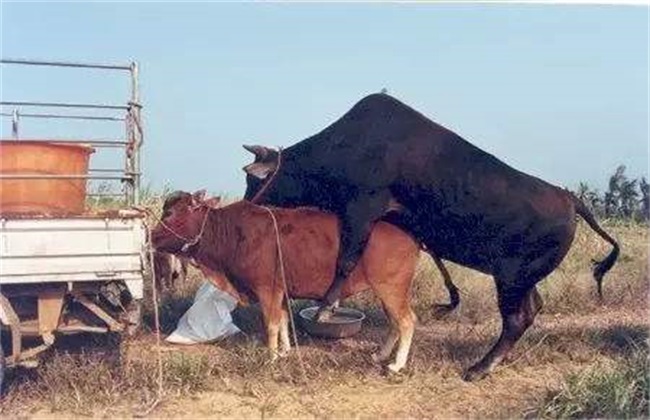
1. Signs during estrus
After a cow enters estrus, both its behavior and its physiological condition will differ greatly from before estrus. Its appetite will begin to decline, but it will be relatively excited, and they will mount each other. If the cow's tail base is lifted, you will find that mucus flows from the cow's reproductive organs. The vulva appears moist, red and swollen. The period from when the cow begins estrus until after estrus ends is called the estrus duration. The length of the estrus duration varies according to factors such as the cow's age and English, and the duration of estrus is usually about 20 hours.
2. Signs after estrus
After a cow finishes estrus, it will refuse mounting behavior by other cattle. The redness and swelling of the vulva will also gradually disappear, the mucus is no longer transparent and appears as a milky white paste, and the amount will also decrease greatly. A cow does not ovulate during estrus; it generally occurs about 11 hours after estrus ends. Estrus in cows mainly occurs because the follicles in the cow's ovaries have already matured and begin to secrete large amounts of hormones. The hormones stimulate the cow's whole body, especially the reproductive organs and so on, thereby causing the cow to enter estrus.
3. Identification methods
External observation
External observation is the most commonly used method for determining whether a cow is in estrus. We can determine the cow's estrus status by observing the cow's external signs and so on. As mentioned earlier, after a cow enters estrus it is very excited; it will not only accept mounting by other cattle, but will also mount other cattle itself, and may even show the mating movements of a bull. The vulva appears red and swollen, mucus flows out, and there will be some twitching.
Teaser method
The teaser method is also a commonly used method for determining whether a cow is in estrus. This method is relatively suitable for cow herds in large-scale farming and can save a great deal of manpower. The teaser method is further divided into two types. First, a bull whose vas deferens has been ligated is placed into the cow herd. It is put in during the day and taken back at night, and then a judgment is made based on the bull's mounting behavior and the cows' degree of acceptance, and so on. Then there is directly bringing the teaser bull close to the cow. If the cow also approaches the bull and adopts a posture of bending its waist and arching its back, then it may also mean that it is in estrus.
The above is a brief introduction to the signs of estrus in cows and identification methods. That is all for today's introduction. This article is for reference only, and I hope it can help everyone.