What to Do When Pigs Show Abnormal Behavior? Detailed Correction Measures
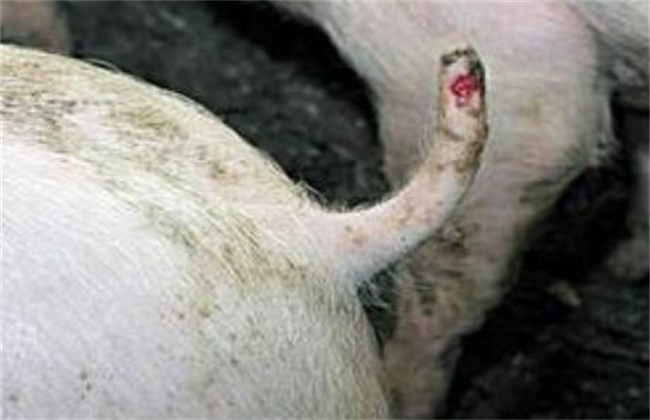
With the development of large-scale pig farming, abnormal behaviors in pigs such as tail biting, ear biting, and fighting are also on the rise. This is a relatively common phenomenon on pig farms, but if bitten pigs are not treated in time, it is very likely to cause wound infection, which not only affects the normal growth of the pigs, but may also cause bacterial infection leading to local inflammation or tissue necrosis, resulting in unnecessary economic losses. So how should these abnormal behaviors in pigs be corrected? Let's take a look.
1. Uniform diet with balanced nutrition
Abnormal behavior in pigs may be caused by an imbalance of nutrients in the feed. For example, when the protein content in the feed is relatively low, protein metabolism in the pig's body will be disrupted, leading to some abnormal behaviors, and the pigs will certainly become excited and bite each other. When the feed lacks mineral elements such as iron, copper, and calcium, pigs may show abnormal behaviors such as convulsions and intolerance to stress, as well as fighting behavior. When the feed lacks vitamins, the pig's body functions will be disrupted, causing abnormal behaviors to appear.
2. Optimize the growing environment
The environment has a relatively large influence on abnormal behavior in pigs. When the sanitary conditions of the pig house are poor, combined with poor ventilation and excessively high concentrations of harmful gases, these will cause the pigs to become irritable and also stimulate tail biting among the herd. When the pig house is hot and humid, it very easily causes itching on the surface of the pigs' bodies, inducing mutual biting behavior. In harsh environments, factors such as sound and strong light will promote stress responses in pigs and increase fighting behavior.
3. Strengthen feeding management
If the stocking density on the pig farm is too high, causing the pig pen space to be cramped, the pigs will easily collide with each other and conflicts will occur, and they will fight over drinking water and feed. After transfer to a new group, the pigs need to become familiar with the new living environment. At this time, the pigs will appear extremely active, and fighting often occurs, especially among smaller pigs, which are very easily bitten and injured. Therefore, feeding management must be strengthened. First, the breeding density should be controlled well to ensure that each pig has at least 2 sq m of living space. When transferring groups, pigs of similar size should be raised together to avoid the situation of the big bullying the small.
The above are correction measures for abnormal behavior in pigs. We hope this can help you. If you want to learn more related knowledge, please stay tuned to us.