Analysis of the Causes of Sows Returning to Estrus and Treatment Methods
When a sow is mated during estrus but does not become pregnant, this phenomenon is called returning to estrus. Once the return-to-estrus rate on a pig farm increases, it will lead to a lower farrowing rate after mating, thereby affecting the farm's profits and causing relatively large losses. So what causes sows to return to estrus? How should it be handled? Let's take a look together.
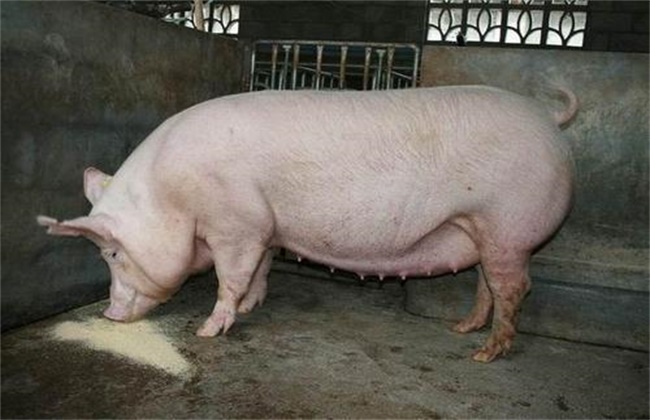
1. Substandard boar semen quality
Boar semen quality directly affects the conception rate. If boar semen quality is relatively poor, it is basically impossible to improve the conception rate of sows. Before mating, boars need to be examined to ensure that semen quality is qualified. In addition, high-temperature weather has a relatively large impact on boar vitality, so during summer mating, good cooling and heatstroke prevention work in the pig house should be done. At the same time, anti-stress drugs should be added to the drinking water to prevent high temperatures from causing heat stress reactions in boars, ensure qualified semen quality, and reduce the return-to-estrus rate.
2. Improper mating time
If the personnel performing mating are not experienced enough and pregnancy checks are inaccurate, the optimal insemination time may be missed, causing sow conception to fail and resulting in the sow returning to estrus. Generally speaking, the earlier a weaned sow shows estrus, the longer the estrus lasts, and the later its ovulation time is. Conversely, the later a weaned sow shows estrus, the shorter the estrus lasts, and the earlier it ovulates. Therefore, estrus detection work must be done well. For sows that show estrus within one week after weaning, it is better to delay insemination by 12 hours, while for sows that show estrus more than one week after weaning, insemination can be carried out immediately.
3. Disease factors
Both pathological and physiological diseases in sows can cause returning to estrus. These diseases directly invade the sow's reproductive system, causing disorders in the organs that secrete reproductive hormones and leading to termination of pregnancy. If a disease is contracted during the embryo implantation period after mating, conception will fail, causing returning to estrus; if a disease is contracted in late pregnancy, it may also cause premature birth and miscarriage in sows, and in severe cases, uterine inflammation may occur, affecting the conception rate of the next estrus and resulting in returning to estrus. To prevent sows from contracting diseases, the first step is to start with good environmental hygiene in the pig house. The pig house should be cleaned regularly every day to reduce the breeding of pathogenic microorganisms, and regular disinfection should be carried out to ensure the pig house is clean and hygienic. For some diseases, vaccination can be used for prevention to reduce the chance of infection. When carrying out mating, assisted delivery, and postpartum care, both operators and tools must be strictly disinfected. Once uterine inflammation is found in a sow, it should be treated promptly.
The above is an introduction to the causes of sows returning to estrus and treatment methods. We hope it can help you. If you want to learn more related knowledge, please follow us.