What Temperature Is Suitable for Raising Pigs in Winter? Detailed Explanation of the Suitable Temperature Range
Now, as time goes on, we have gradually entered winter. Pig farmers have also begun preparing for their pigs to overwinter, and winter temperatures are very low. If management work is not done well, then pigs are highly prone to catching colds in winter, which affects fattening and so on. Therefore, winter management of pigs is very important, especially temperature. So what temperature is suitable for raising pigs in winter? How should the temperature be regulated? Let's take a look together below!
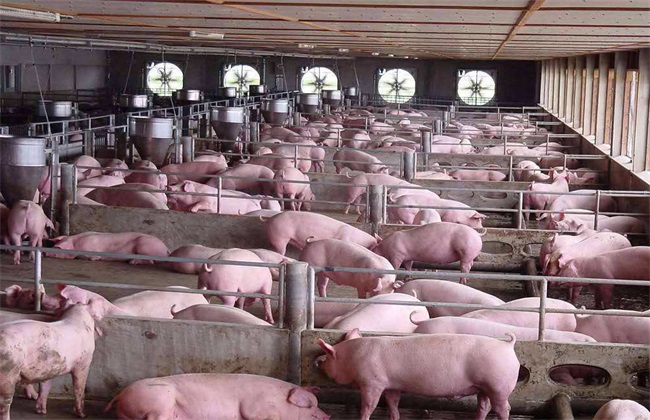
I. Suitable Temperatures for Pig Houses in Winter
Winter temperatures in our country are generally relatively low. When the temperature outside the barn drops, the temperature inside the barn naturally drops as well. A low-temperature environment poses a relatively serious threat to the growth of the pig herd. It reduces the various physiological functions of pigs, and the impact on piglets is even greater, causing adverse phenomena such as diarrhea and a decline in the survival rate. In winter, the temperature suitable for pig growth is around 15-22 degrees, and the temperature should not fall below 8 degrees at the lowest. If the temperature drops, pigs need more feed to maintain their own body temperature, which reduces feed conversion and leads to a decline in breeding benefits.
II. Key Points of Pig House Management in Winter
1. Prevent Drafts
Drafts are the main cause of lower temperatures in pig houses in winter. The intrusion of drafts causes various stress reactions in pigs, leading to diseases such as colds and pneumonia. Therefore, in winter, it is essential to ensure that the walls around the pig house are tight and not permeable to wind, and a comprehensive inspection and repair of the pig house should be carried out. Avoid gaps in doors and windows, ventilation openings, holes, and so on that allow drafts to enter the pig house. Especially for old pig houses that have been in use for many years, a thorough inspection and repair must be carried out. Crop straw can be piled up outside the walls, mud walls can be built, and so on. In winter, the ventilation openings of the pig house should be kept at a minimum of one meter or more to avoid blowing directly onto the pigs during ventilation.
2. Increase Lighting
The natural lighting time in winter is relatively short, but professional research data shows that reasonably increasing light intensity in winter can effectively improve the reproductive capacity of pigs. It can increase daily weight gain by about 1/10 and can also effectively reduce the incidence of disease in piglets. Therefore, attention should be paid to improving the lighting rate inside the pig house, and when increasing the lighting rate, we should pay attention to the light requirements of the entire pig herd. It is best to set up a lighting area, retaining a lighting opening at the top and the south wall, and so on, which can be used for lighting in winter. Moreover, on sunny afternoons with good sunlight, the pig herd can be allowed to move outdoors appropriately so they can receive sunlight.
3. Control Humidity
Pigs are suited to growing in a dry environment, and in winter, pig houses should maintain a dry environment with relatively low humidity. The higher the air humidity, the lower the temperature in the pig house, and the faster the heat in the pigs' bodies is lost, which is very unfavorable for pig growth and can easily lead to pig death. Moreover, excessively high humidity is very conducive to the reproduction of pathogens and can easily trigger various diseases, such as respiratory diseases and skin diseases. Therefore, in winter, we should regulate the humidity of the pig house through methods such as managing the pigs' eating and resting, cleaning up manure, and regularly replacing bedding straw. If the humidity is too high, then some lime or plant ash can be scattered in the pig house to reduce humidity.
The above is a brief introduction to the suitable temperatures for raising pigs in winter. That is all for today's introduction. This article is for reference only, and I hope it can help everyone.