Can you water Aglaia odorata with white vinegar? If it drops leaves, just add a little white vinegar to save it
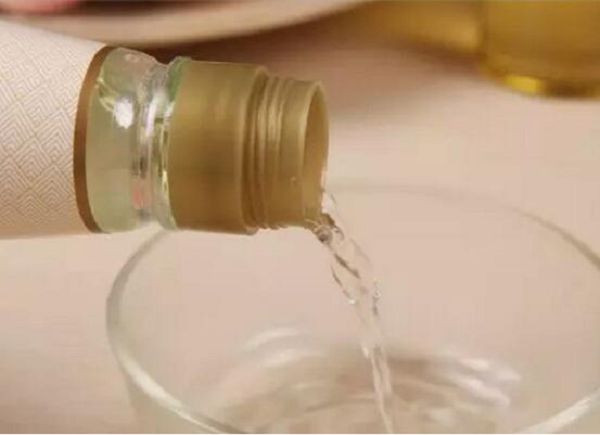
Aglaia odorata is a plant very well suited to growing at home, with lush branches and leaves dotted with pretty little yellow flowers. When growing Aglaia odorata, people often say that if it drops leaves, adding a little white vinegar can ease the problem. So can you water Aglaia odorata with white vinegar? Yes, you can. This is actually about keeping the soil acidic, which lets Aglaia odorata grow more vigorously.
I. Aglaia odorata can be watered with white vinegar
Aglaia odorata is a plant that likes acidic soil. When growing Aglaia odorata, people often mention this little trick that Aglaia odorata can be watered with white vinegar. This is actually quite correct: soil that leans acidic is more beneficial to the growth of Aglaia odorata. After watering with a little vinegar, the soil keeps its acidic substances.
If you are wondering whether Aglaia odorata can be watered with white vinegar, you can try it yourself on an Aglaia odorata you grow at home. If your Aglaia odorata has already started dropping leaves, and the soil has become alkaline and is no longer loose, you can drip white vinegar into water and pour it into the flowerpot, and after only 5 days you will find that the Aglaia odorata has stopped dropping leaves.
II. Watering with white vinegar prevents the soil from becoming alkaline
In fact, there are many reasons the soil becomes alkaline, since fertilizing frequently and watering often are both causes. Nitrogen fertilizer in particular easily damages soil acidity and is a cause of alkalinization. Usually you should be careful not to apply nitrogen fertilizer too frequently when fertilizing.
Actually, watering with white vinegar is not only about adding a little white vinegar when Aglaia odorata drops leaves; most importantly, you should decide whether to water with vinegar water based on the condition of the potting soil of the Aglaia odorata. If the soil has become clumped and very hard, you can add a little white vinegar water to improve the alkalinization of the soil. But generally speaking, this method of using vinegar to change the soil's pH cannot be used long term; using it just once is enough.
III. How to prevent the soil of Aglaia odorata from becoming alkaline
To let the Aglaia odorata tree grow better, we need to check from time to time whether its soil has become alkaline. Once it has become alkaline, corresponding measures must be taken; even before the soil becomes alkaline, you should pay attention to your growing habits to prevent the potting soil of Aglaia odorata from becoming alkaline.
1. Ferrous sulfate
When caring for Aglaia odorata in ordinary times, remember to add ferrous sulfate to the water once a month. Ferrous sulfate can supplement the iron content in the soil and also keep the soil rich in acidic substances. However, it must be diluted in water before applying, and it is better to keep it light rather than strong; ferrous sulfate that is too concentrated will harm the plant.
2. Loosen the soil often
When growing the Aglaia odorata tree, watering is always heavy, which easily causes the soil to clump and even become alkaline. You must loosen its soil often. It is best to use a small cultivating rake to occasionally scratch the soil, but be sure not to harm the roots of the Aglaia odorata.
3. Let the water sit before watering
Generally, flower lovers use tap water for watering, but some substances in tap water can cause the soil to clump and become alkaline. Before watering, first leave the tap water out in the sun to sit for 2 to 3 days, then water. Note that the water at the very bottom should not be used on the flowers.
4. Fermented rice-washing water
If you want to prevent the soil of Aglaia odorata from becoming alkaline, you must occasionally water with a little diluted fermented rice-washing water. This can increase the soil's acidity and also fertilize the soil. Put the rice-washing water in a beverage bottle and leave it in the sun for 3 days, after which it has fermented successfully, but after the rice-washing water ferments it must be diluted with water before watering the flowers.