How to Increase the Laying Rate of Laying Ducks? Practical Methods Shared
Laying ducks are a type of poultry raised on a relatively large scale in our country, and the market demand for duck eggs in our country is very high. When raising laying ducks, we need to do a good job of careful management. Due to improper management, many farmers find that the laying rate of their laying ducks is relatively low. So when raising laying ducks, how can we increase their laying rate? Below, the editor will give everyone a brief introduction. Let's take a look together!
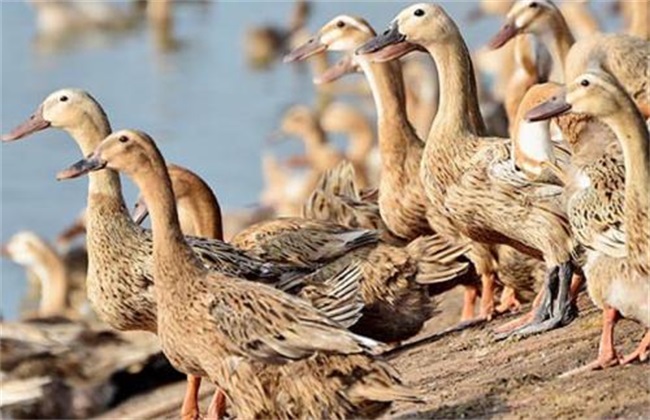
1. Environmental control
Changes in the environment are the main cause of a low laying rate in laying ducks. For example, if the lighting in the duck house suddenly changes, such as a decrease in intensity or a shortening of duration, the laying ducks will be unable to adapt, thereby reducing the laying rate. Therefore, we should pay attention to maintaining good light intensity and duration in the duck house. If the duration needs to be shortened and the intensity reduced, then it should also be reduced gradually to ensure the flock can slowly adapt. In addition, there are weather changes, such as strong winds, high temperatures and low temperatures, all of which can cause stress reactions in laying ducks. So be sure to control the temperature, humidity and other environmental conditions in the duck house well.
2. Feeding management
When feeding laying ducks, if the feed is insufficient or the nutritional ratio of the feed is improper, then the laying rate of the laying ducks will also decline, and they may even stop laying eggs. When feeding laying ducks, we should prepare different feeds according to the growth stage of the laying ducks. When changing feed, the laying ducks should likewise be given a transition period; during the laying period, it is best not to change the feed. Then there is also the aspect of immunization. If during vaccination the flock is startled and develops stress, it will also cause a sharp drop in the laying rate of the laying ducks. Therefore, when immunizing, attention should be paid to reducing the stress response of the flock.
3. Disease prevention and control
Disease factors are also among the causes of a decline in the laying rate of laying ducks, such as Newcastle disease, avian influenza and duck pox and other viral diseases. If infected with these diseases, then the laying rate of the flock may decline every day, with a decline rate of about 2%. So we should also pay attention to doing a good job of disease prevention and control, and appropriately add substances such as astragalus polysaccharide to the feed to improve the disease resistance and immunity of the laying ducks. There are also some bacterial diseases that can reduce the laying rate of laying ducks, such as campylobacter hepatitis, which can be prevented with substances such as Xinda'an.
4. Forced molting
During their growth process, laying ducks must go through a molting period, and the molting period is also a rest-from-laying period for the laying ducks. At this time, the laying ducks basically will not lay eggs, and if the laying ducks are allowed to molt naturally, then the time can be as long as about 5 months. Therefore, we can adopt the method of forced molting to shorten the molting period of the laying ducks. During molting, attention should be paid to keeping the flock away from water to prevent infection.
The above is a brief introduction to how to increase the laying rate of laying ducks. That is all for today's introduction. This article is for reference only, and I hope it can help everyone!