How to prevent pests and diseases in orchids? These control methods you need to know
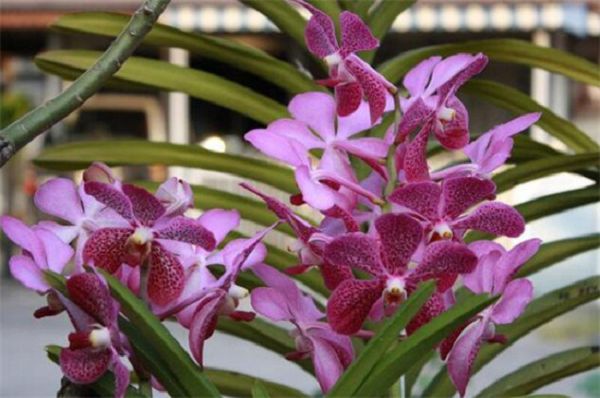
There are many methods to prevent pests and diseases in orchids. First of all, you need to provide them with a well-ventilated environment to avoid stuffy air breeding pathogens. You should also spray fungicidal and insecticidal solutions 2 to 3 times a week to prevent pests and diseases, and water appropriately to avoid creating a humid environment. You can also squeeze the juice from strong-smelling vegetables and pour it on them, which can also prevent pests and diseases.
1. Ventilated environment
A well-ventilated environment is a key step in preventing pests and diseases in orchids. Place the orchids in a ventilated spot so that the air around them circulates, avoiding the formation of a stuffy, hot environment, and remove the leaves from the pot to keep their growing environment clean and hygienic so they can grow healthily.
2. Regular spraying
To prevent pests and diseases in orchids, you also need to spray the relevant solutions regularly. Normally, you can spray a chlorothalonil solution or a carbendazim solution about 2 to 3 times a month for sterilization and disinfection. During periods when pests are prevalent, spray promptly to kill insect eggs and prevent them from harming the orchids.
3. Appropriate watering
Appropriate watering is also one of the methods. Be careful not to water too much, which would cause water to accumulate in the soil where the orchids grow. Keeping the soil moist is enough, which can effectively avoid a humid environment breeding bacteria, thereby keeping orchids away from the threat of pests and diseases.
4. Strong-smelling vegetables Common strong-smelling vegetables at home, such as scallions, chives, and onions, can be squeezed into juice and diluted with a small amount of water, then placed in a spray bottle to spray the orchids. Their strong smell can effectively prevent pests such as scale insects and aphids and diseases such as gray mold, promoting the growth of the orchids.