How should orchids be cared for to reach their best condition?
1. Choosing pots and mixing soil
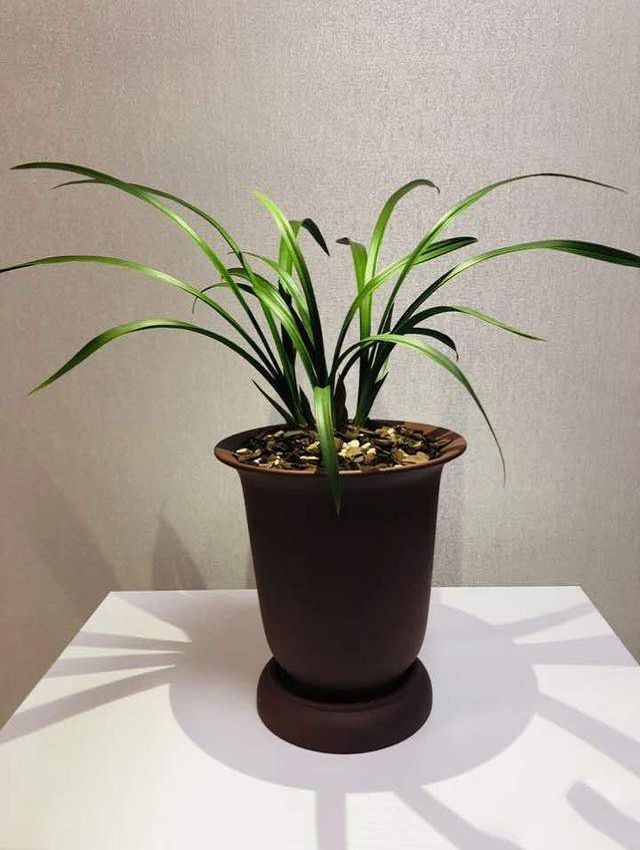
Orchids have fleshy root systems, and if the potting soil or growing medium has poor air permeability, root rot easily occurs. For orchid pots, clay pots and ceramic pots are generally chosen, as they have good air permeability and suit the character of orchids. The growing medium is generally a mix of peat soil, "xian tu" (a specialized orchid growing soil), pine bark, peanut shells and so on, with the proportions varying by region. Mixing Ye Hong Shi Guang microbial inoculant orchid-specific fertilizer into the growing medium can protect the roots, promote orchid growth, and reduce pests and diseases. In addition, placing a layer of crushed wood shavings, tile fragments, expanded clay pellets and the like at the bottom of the pot can further enhance ventilation and drainage at the base, preventing orchid root rot.
2. Fertilizing
If you want to grow orchids strong and robust, timely nutrient supplementation is also essential. Fertilizing orchids must be done with care, otherwise if you accidentally apply too much fertilizer or use raw manure, the orchid seedlings will be burned to death, which would be a great pity. Chemical fertilizers are generally not recommended, because they easily cause soil compaction and alkalinization. It is best to use fully decomposed organic fertilizer together with Ye Hong Shi Guang microbial inoculant orchid-specific fertilizer; the fertilizer effect is mild and does not harm the roots.
3. Watering
In the process of orchid care, the hardest thing to control well is watering. Once you water too much and water accumulates, root rot easily occurs. However, as long as the orchid's growing medium is well chosen, watering is not a big problem. Keep it moist during the growing season, while in winter the soil should be slightly dry. When watering, use a gentle stream to water evenly and thoroughly along the edge of the pot, so that the phenomenon of some roots becoming hollow due to lack of water does not occur.