How to care for Aglaia odorata in autumn? Stop fertilizing, control watering, and keep a constant temperature
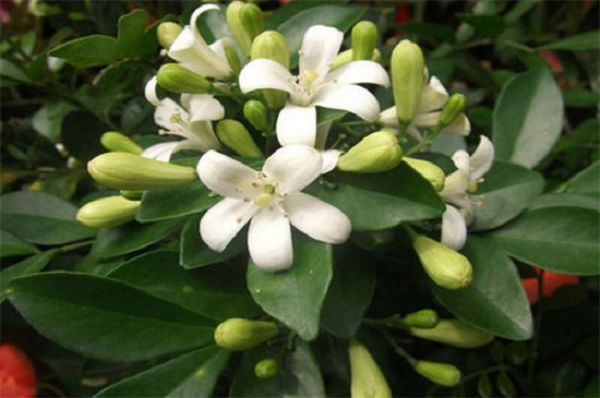
When growing Aglaia odorata in autumn, it is best to keep a constant-temperature environment. The Aglaia odorata plant has very low cold resistance, so at the end of autumn it needs to be covered with a plastic bag for warmth, while being watered once every 3 to 5 days. In autumn, Aglaia odorata does not have very high fertilizer requirements, so fertilizing can be stopped at this time, and it should be given about 6 hours of diffused light.
Aglaia odorata autumn care methods 1. Constant-temperature care
Autumn weather is unstable, with frequent high and low temperatures, which affects the normal growth of Aglaia odorata. So in early autumn it can be placed in a semi-shaded environment, and in late autumn a plastic bag can be put over the plant for warmth. The Aglaia odorata plant has relatively low cold resistance, so at this time it is best to move it indoors.
2. Reduce watering
Although Aglaia odorata is still growing in autumn, its growth rate is relatively slow. At this time it can be watered once every 3 to 5 days. Watering the plant appropriately will not cause root rot. In late autumn, watering once every half a month is enough.
3. Stop fertilizing
How to care for Aglaia odorata in autumn also requires stopping fertilizing. Autumn temperatures are relatively cool, and the plant grows slowly at this time, so its demand for fertilizer also decreases. Therefore, fertilizing can be stopped in autumn. Too much fertilizer can easily burden the root system, so the best time to fertilize is concentrated in spring.
4. Sufficient light
Aglaia odorata is a light-loving plant, and autumn light is mild and suitable, so it can be placed in a diffused-light environment every day, with about 6 hours of light being enough. This can also promote the plant's growth and is also beneficial for photosynthesis. In late autumn, it can receive 8 hours of light per day, which can alleviate the symptoms of frost damage.