How to grow plumeria? A complete guide to cultivation methods and precautions
Plumeria is an ornamental flower that many people love. It was originally a deciduous tree, and with the advancement of pot cultivation, it can now be grown indoors as a potted plant. So do you know how to grow plumeria? Let's take a look together.
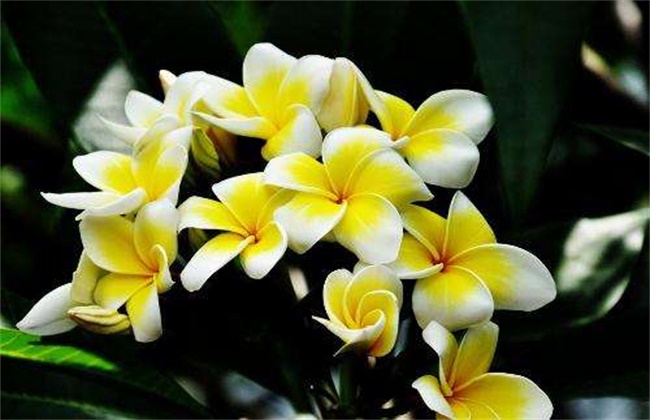
I. Cultivation methods
1. Soil selection
Plumeria is not strict about soil requirements, but you should choose a loose soil. If you want it to grow better, it is recommended to choose a loose, fertile, well-drained acidic sandy soil. For home pot cultivation, you can mix garden soil, coal cinder and dead branches and leaves in a 3:1:1 ratio for planting. Before planting, some organic fertilizer can be mixed into the soil to ensure nutrients.
2. Suitable light
Plumeria grows well in a warm, humid environment with sufficient light. Keep the temperature between 20-28 degrees. During the vigorous growth period, the more sufficient the light, the more luxuriant the plant will grow. In summer high temperatures, or after potting and repotting, shade treatment should be taken. In winter, it should be moved indoors for care to ensure sufficient light.
3. Fertilizer and water management
Plumeria likes a humid environment, but it also has a certain drought tolerance and fears waterlogging, so watering during plumeria cultivation must be moderate, watering when the soil is dry. In spring and autumn, water once every 1-2 days. In summer, the amount of water each time should also be appropriately increased. On rainy days, watering should be appropriately reduced and drainage should be timely to avoid root rot. From June to November, during the peak growth season of plumeria, apply decomposed liquid fertilizer once every 10 days or so. Pay attention to the concentration to avoid damaging the roots. After flowering, fertilizer must be applied in time to replenish the nutrients consumed by flowering. When repotting in spring, some organic fertilizer should also be mixed in as a base fertilizer. In winter, when the plant stops growing, there is no need to fertilize.
II. Precautions
Plumeria can grow rapidly as long as there is sufficient fertilizer and water. Generally, repot once every spring, and the size of the flowerpot should be determined according to the size of the plant's root system and crown. After repotting, water thoroughly and place it in a shaded environment so it can adapt to the new environment, then move it to a place with sufficient light after about 10 days. Plumeria is not cold-tolerant and will suffer cold damage below 10 degrees, or even die, so before winter arrives, good warmth and insulation work needs to be done, and it is best to place it indoors in a place with sufficient light for care.
The above is an introduction to plumeria cultivation methods and precautions. I hope it can help you. If you want to learn more related knowledge, please follow us.