What factors affect nitrogen fertilizer use efficiency?
Crop farming is now very well developed in our country. Whether growing grain, fruit or vegetables, we all need to do a good job of fertilizing during the growing process. Reasonable fertilization is the key to ensuring crop growth, and when fertilizing, the application of nitrogen fertilizer is very important. But many farmers find that the use efficiency of nitrogen fertilizer is sometimes not very high. So what are the factors affecting nitrogen fertilizer use efficiency? Let's take a look together below!
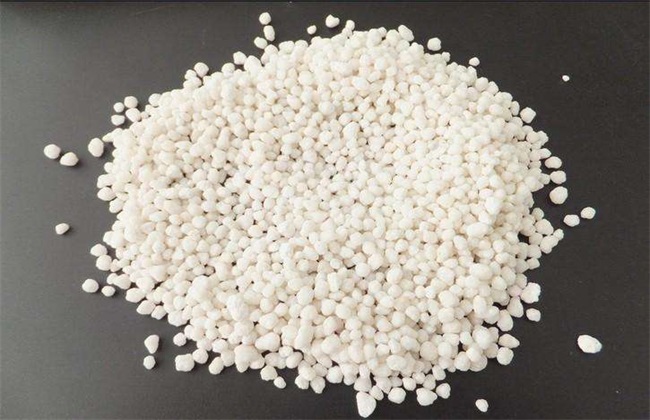
1. Excessive application rate
Applying too much nitrogen fertilizer is one of the main reasons for low nitrogen fertilizer use efficiency. This is because the standard for judging nitrogen fertilizer use efficiency is the percentage of the total nitrogen absorbed by the crop relative to the amount of nitrogen applied. From this we can see that the more nitrogen fertilizer is applied, the lower the use efficiency will be. This is because no matter what crop it is, the demand for nitrogen fertilizer is limited, and the amount of nitrogen absorbed will not increase along with the increase in nitrogen fertilizer. Sometimes it can also cause excessive vegetative growth in crops, which not only results in low nitrogen fertilizer use efficiency but also affects crop growth.
2. Soil properties
When planting, the soil's nitrogen supply level also directly affects nitrogen fertilizer use efficiency. When fertilizing, we should control the application rate according to the soil's fertility. If soil fertility is high, apply less; if it is low, apply more. When applying nitrogen fertilizer, the focus should be on medium- and low-fertility fields, because the production potential of medium- and low-fertility fields is higher than that of high-fertility fields. If nitrogen fertilizer is applied to high-fertility fields, then the nitrogen fertilizer use efficiency will naturally decrease, and the effect will not be very obvious.
3. Crop characteristics
There are many kinds of crops in our country, and the nutritional characteristics of crops naturally differ in their demand for nitrogen fertilizer. So if the crop is different, the amount of nitrogen fertilizer applied will also differ. For example, when planting food crops such as rice and wheat, as well as crops such as cotton, vegetables and fruit, their demand for nitrogen fertilizer is relatively high, so the nitrogen fertilizer use efficiency will naturally be relatively high. When planting crops such as soybeans and peanuts that do not need much nitrogen fertilizer, because the demand for nitrogen is not high, the nitrogen fertilizer use efficiency is not high, so it can be applied less or not at all.
4. Nutrient loss
Nitrogen fertilizer also comes in many forms, among which the more common one is ammonium nitrogen fertilizer, and ammonia volatilization from ammonium nitrogen fertilizer is also a major factor leading to low nitrogen fertilizer use efficiency. It is also related to the volatilization of ammonia after urea is absorbed and transformed. In addition, there are nitrate nitrogen fertilizer and urea, which when directly washed onto the soil, combined with denitrification in the field causing the loss of gaseous nitrogen, will all reduce nitrogen fertilizer use efficiency. So if we want to improve nitrogen fertilizer use efficiency, then we must first pay attention to doing a good job of stopping losses in these three aspects.
The above is a brief introduction to the factors affecting nitrogen fertilizer use efficiency. That's all for today's introduction. This article is for reference only, and we hope it can help everyone!