If orchids on a balcony rely only on scattered light, do they still need direct sunlight?
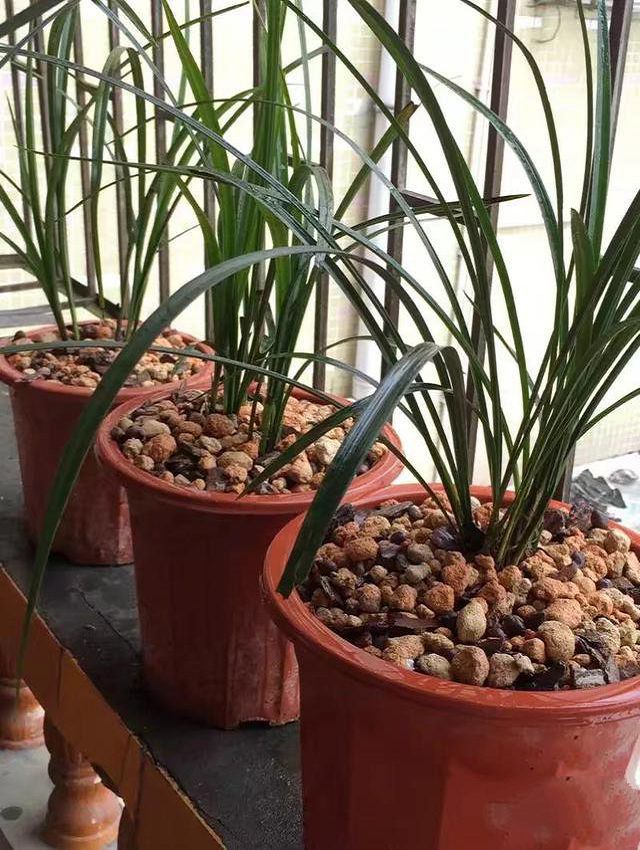
Orchids are shade-loving plants, but orchids need sunlight for photosynthesis to produce nutrients for the physiological needs of the orchid plant's growth and development, so orchids need a certain degree of light to produce more photosynthetic products and grow robustly and vigorously.
In summer when the sunlight is strong, avoid direct sunlight at all costs. If the light at the placement location is too strong or insufficient, the leaves will easily turn pale green or yellow-green, or even dry up. If in direct sunlight and a dry air environment, it is most likely to cause scorched leaf tips, so it should be placed in a cooler, ventilated spot, and its leaves should be misted frequently to increase environmental humidity. With moderate light, the leaves are green with a fine texture and a glossy sheen. Appropriately increasing light can promote flower bud differentiation and achieve the goal of more blooms.
On a south-facing balcony, scattered light is sufficient, but on a north-facing balcony it is not. Indoors, be careful that the temperature is not too high, and pay attention to ventilation. In winter, orchids are in a dormant state, and too much water easily causes root rot, so follow the principle of alternating dry and wet. In winter the air is dry and pests and diseases occur less. However, with indoor care, if the humidity is relatively high, this is not necessarily the case, and targeted spraying should be done promptly.
During routine care, protective spraying should also be carried out. Using Bordeaux mixture to spray the potting soil and the ground around the pot can reduce the occurrence of pests and diseases the following year.