What preparatory work needs to be done before raising sheep?
Sheep farming is a fairly common livestock industry, but joining this industry should not be done blindly. Many things must be prepared in advance before deciding whether to get involved. So what preparatory work is needed if you want to raise sheep? Let's take a look below and see whether raising sheep is really as simple as it seems.
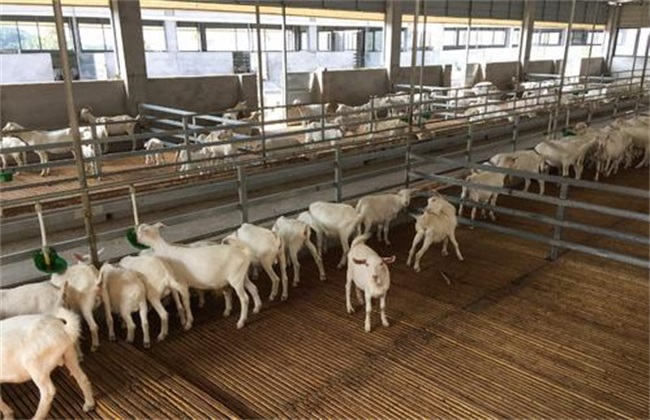
1. Learn about sheep
To raise sheep, you must first have some understanding of them. The understanding here is not just a simple familiarity; it needs to be in-depth, so that problems are less likely to arise during breeding. First is the aspect of sheep's living habits, and second are some taboos to be aware of. Once you have a general grasp of these, then learn about the things to pay attention to at each stage of a sheep's life, the general feeding process, which aspects need attention, and especially the aspects that are prone to problems in your local area, which deserve even more focused study. At the very least, you should have an entry-level understanding of the overall habits of sheep. Only then can the early-stage knowledge about sheep for raising them be considered up to standard.
2. Preparation of farming equipment
Once you have a relatively in-depth understanding of sheep, you then need to estimate roughly what equipment you will need to prepare and what is unnecessary, so everyone should choose according to their local conditions. Generally, a farm needs to be equipped with these: a chaff cutter, a silage pit, a septic tank, and fencing netting, which basically count as standard equipment. As for things like a mower and a seeder, it depends on whether you have land for growing forage. In addition, for things like a generator, likewise see whether you have places where electricity is inconvenient before deciding whether to prepare one. Other equipment can be decided on during the farming process depending on the situation.
3. Farming permits and environmental protection
Environmental protection issues are taken quite seriously now, so you must get all the farming-related certificates in order. The main certificates include a business license for industry and commerce and an animal epidemic prevention conditions qualification certificate, among others. For the rest, you can consult the relevant local departments to see which ones need to be obtained, so that if inspections come later, at least the certificate aspect will not cause you problems. Second, special attention must be paid to manure handling and sanitation. Many farms run into problems because of this aspect, so your own farm must do its best in environmental protection.
4. Sheep diseases
There is a saying in the sheep farming industry: “If you raise sheep for three years without going bankrupt, you are half a veterinarian.” This means that during sheep farming you may encounter far too many diseases. After three years of farming, a farmer can be considered half a sheep veterinarian, because these diseases all need to be solved by yourself, and with enough occurrences you will roughly know what to do. For some relatively common problems such as lamb limpness, keratitis, diarrhea, bloat and feed impaction, and failure to ruminate, you must have a rough understanding at the initial stage, so that you will not be caught in a flurry when you encounter them.
Only when the early preparatory work is done well will the later farming process be relatively easier and the losses relatively fewer. At present, everyone can also learn while farming in the early stage, but there may be relatively greater losses in the middle. It is still recommended that you put in more effort early on and get a bit more profit later.