Reasons for Leaf Drop in the Elephant Bush and How to Fix It
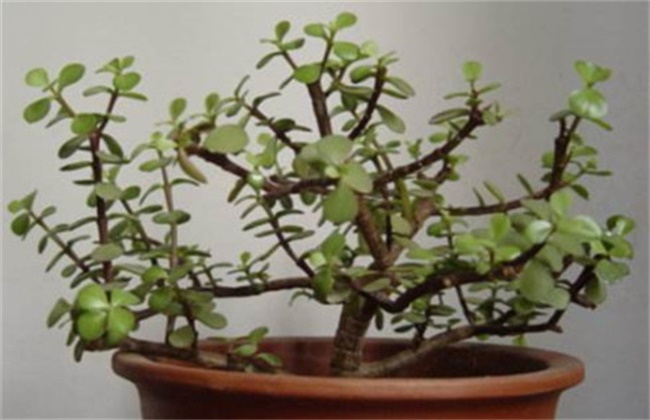
The scientific name of the elephant bush is Portulacaria afra. Its stems are fleshy, and in sufficient light the new branches turn purplish-red, while in insufficient light they stay green. It has extremely high ornamental value and is often grown at home as a potted plant. However, many problems can arise during cultivation, such as leaf drop, and once leaves drop it seriously affects its ornamental appeal. So what causes leaf drop in the elephant bush? Let's take a look.
1. Overwatering
Overwatering is also one of the causes of leaf drop in the elephant bush, and it is likewise one of the more common problems in care. During cultivation, water accumulating in the pot and rotting the roots can very easily cause the root hairs to rot and the leaves to drop, and in severe cases it may even kill the plant. The remedy depends on how long the problem has been going on. If the problem appears within less than a day of watering, then you need to drain the standing water promptly, increase the soil's air permeability, and then place it in a cool, ventilated spot to help it recover. If this situation has already persisted for several days, then you need to dig into the soil to check whether there is root rot. If there is root rot, you need to promptly remove the rotted root hairs, let the wounds dry, and repot it for care.
2. Severely Insufficient Light
The elephant bush loves light. If it is kept in a dark environment for a long time, its leaves will drop due to severely insufficient light, and at this point you need to supplement sunlight promptly to help it recover. It is very easy to tell whether the elephant bush lacks light: when its new branches are purplish-red, that means it is getting enough light, while when its new branches are green, that means the light is insufficient, and at this point you need to supplement sunlight promptly.
3. Insufficient Nutrients
Adequate nutrients promote good growth and development in the elephant bush, but long-term nutrient deficiency will lead to poor growth, and leaf drop is only one of the symptoms. During care, if the leaves of the elephant bush are noticeably smaller and weaker than normal, this should draw our attention, and we need to apply fertilizer promptly. You can use a compound fertilizer or a nitrogen fertilizer for a supplementary feeding once every half month, mainly using a dilute fertilizer solution, so as to avoid harming the roots with a concentrated fertilizer.
4. Unsuitable Potting Soil
Potting soil has a fairly large effect on the elephant bush. If it grows in compacted soil, the elephant bush will show leaf drop, which not only affects its ornamental appeal but can also cause it to lose its growth momentum. At this point you need to replace the potting soil promptly, choosing fertile, loose soil with good drainage for cultivation. You can also loosen the soil and then add some garden soil, sandy loam, and so on, which can alleviate this harsh growing condition to a certain extent.
The above is an introduction to the causes of leaf drop in the elephant bush and how to fix it. We hope it helps you. To learn more related knowledge, please stay tuned to us.