What are the key points of disease prevention and control for pigs at different growth stages?
The pig farming industry is a very important breeding project in China, and its development in China is very mature. Now pig farming is gradually becoming more intensive, and its breeding costs have indeed been somewhat reduced. Breeding efficiency has also improved in many ways, but as the saying goes, pros and cons coexist, which has also led to faster spread of pig diseases. Therefore, we need to do a good job in disease prevention and control for pigs at different growth stages, so let's take a look together with the editor below!
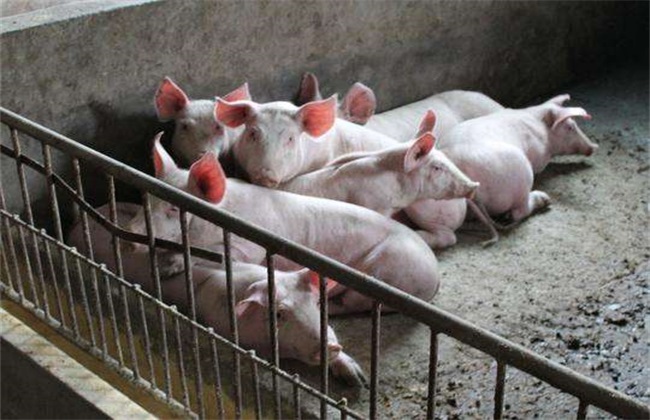
1. Farrowing period
The management of pigs during the farrowing period is very important, because if diseases occur during this period, it will not only affect the growth of the sow. The harm to the growth of piglets is also very great, leading to a decline in piglet survival rate and reducing breeding efficiency. During the farrowing period, it is necessary to ensure that pigs can be managed with all-in, all-out, and for the second batch of pigs, disinfection work must be done well. During the sow's farrowing period, cleaning and deworming work must be done well for the sow to ensure normal farrowing. Then care must be taken not to cross-foster excessively, and if it is necessary, then it can only be limited to within one day after farrowing, to avoid postpartum infection of the sow.
2. Nursery period
During the nursery period, the group size in the pig pens should be appropriately reduced, generally based on one litter per pen. Solid separation work must be done well between pig pens, and all-in, all-out must also be maintained. That is to say, the interval between pigs entering a pig house should be kept at about 7 days. And there should be an independent waste discharge system with the adjacent pig pens. The breeding density must not be too high, and if it is to be reduced, then to ensure the growth of each pig, the space for feeders should be appropriately increased. Then the air quality in the pig house should be improved, reducing the content of harmful gases such as ammonia, to avoid stress in pigs that could lead to disease.
3. Growing and fattening period
As just mentioned, during the nursery period, the group size in the pig pens should be minimized as much as possible, and wall-type separation work should be done well. During the growing and fattening period, it is also necessary to do this well, maintain all-in, all-out, and do a good job in cleaning and disinfecting empty pens. Weaned piglets that are moved out should not be mixed into groups. And pigs in each fattening pen also cannot be mixed into groups, and then attention should also be paid to appropriately reducing breeding density. Likewise, we should also pay attention to adjusting air quality well, controlling temperature well, and ensuring normal fattening of pigs.
4. Other
In addition to disease prevention and control work at different growth stages, we should also pay attention to carrying out reasonable vaccination and epidemic prevention work for each pig. In the nursery pig house, separate drinking troughs, feeding troughs, and medication facilities should be set up. When carrying out basic work such as tail docking and teeth clipping, strict health care measures should also be maintained, and disinfection work should be done well. If there are diseased pigs, then they should be isolated in a timely manner and moved to a treatment room. If they lose treatment value, then they should be culled in a timely manner and treated by deep burial and burning.
The above is a brief introduction to the key points of disease prevention and control for pigs at different growth stages. That's all for today's introduction. This article is for reference only, and I hope it can help everyone!