What are the reasons for low feed intake in lactating sows
When we raise pigs, management work is very important. If management is improper, then many problems will arise. Low feed intake in lactating sows is one of them. If a lactating sow has low feed intake, it will not only affect its own growth. Milk production will also be insufficient, causing piglet growth to be stunted. So what are the reasons for low feed intake in lactating sows? Below, the editor will briefly introduce them to everyone. Let's take a look together!
1. Unsuitable temperature
Unsuitable temperature inside the barn is one of the main reasons leading to insufficient feed intake in lactating sows. Especially in a high-temperature environment, even if the sow is normal in all other respects, high temperatures will cause a decline in appetite. The temperature of the sow barn should be maintained at around 20 degrees, and in summer, when temperatures are highest, even if the pig barn has good ventilation and good thermal insulation performance, if there is no artificial temperature control, then it still cannot reach the suitable temperature for sow growth. The higher the temperature, the lower the sow's feed intake will be. If it exceeds 30 degrees, then the sow's feed intake will decrease by about 40%.
2. Constipation and lack of exercise
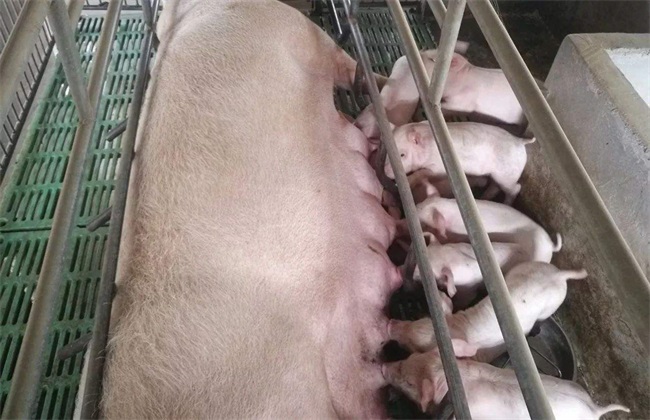
After farrowing, sows often experience many problems. Constipation is one of them. If a sow is constipated, because digestive function is affected, it will lead to insufficient appetite in the sow, thus causing various problems. Moreover, during the lactation period, sows are generally raised on farrowing crates. The space in the farrowing crate is very small, so the sow basically cannot move. If the sow's amount of exercise is insufficient, then the speed of gastrointestinal peristalsis in the sow will slow down, thereby causing constipation in the sow.
3. Improper diet and drinking water
When many pig farmers prepare diets for sows, the formulas of their premixes are very unreasonable. Either the crude fiber proportion is insufficient or the crude fiber quality is too low, etc. This causes chyme to remain in the gastrointestinal tract for a long time, reduces the speed of intestinal peristalsis, causes the intestines to absorb excessive harmful substances, and thereby leads to constipation in sows. Moreover, if the water quality is poor and the water tastes bitter and astringent, it will affect the sow's drinking, leading to a decline in the sow's appetite. In addition, if water pressure is insufficient or water pipes are blocked, a decline in water intake will also cause low feed intake in sows.
4. Postpartum infection
If a sow has a prolonged farrowing process and conditions such as dystocia during pregnancy and farrowing, then postpartum infection is very likely to occur. If postpartum care work is not done properly, it is also a main cause of postpartum infection. After a sow develops a postpartum infection, symptoms such as low feed intake will appear. Various pathogens, such as Escherichia coli, swine fever virus and Streptococcus, etc., will affect the sow's digestive function, thereby reducing appetite. Also, unrestricted use of antibiotics and some environmental stress factors such as noise will all affect the sow's feed intake.
The above is a brief introduction to the reasons for low feed intake in lactating sows. That is all for today's introduction. This article is for reference only, and I hope it can help everyone!