Key Points for Feeding and Management of Pregnant Sows in Winter
Temperatures are getting lower and lower now, and winter is gradually approaching. Winter not only brings very low temperatures, but also very short hours of natural daylight, which poses a great risk to the growth and development of pregnant sows. Doing a good job of feeding and managing pregnant sows in winter is also a headache for many pig farmers. So how should pregnant sows be fed and managed in winter? Let's take a look together below!
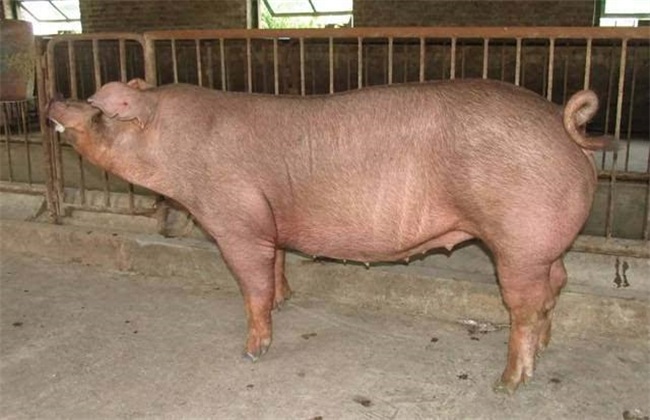
1. Feeding Methods
For multiparous sows with relatively poor body condition, the proportion of concentrated feed should be appropriately increased during the three weeks before mating and within 10 days after mating. Once body condition gradually recovers, feed green fodder and follow the feeding standard. Until about 80 days of gestation, then increase the proportion of concentrated feed, and the nutritional level of the feed in the later stage should be higher than in the early stage. Then for multiparous sows in good body condition, more green fodder should be fed in early gestation, and concentrated feed in the later stage. Finally, for first-litter sows and sows mated during lactation, green and coarse fodder should be the main feed in early gestation, then the proportion of concentrated feed should be gradually increased, and seven days before farrowing, the daily ration should be gradually reduced by about 15%.
2. Management Before and After Gestation
Within three weeks after a sow conceives, its embryos are very susceptible to environmental factors. Therefore, special attention must be paid to feeding and management, and the feed should mainly be a complete-price feed. During the last three days of gestation, the weight of the fetal pigs begins to rise sharply, and the demand for nutrients also increases. Moreover, because of the increase in uterine volume, the sow's digestive organs are squeezed, making it prone to insufficient feed intake, so attention should be paid to increasing nutrient concentration. Providing sows with sufficient reproductive nutrition can also promote the development of various functions in the fetal pigs.
3. Strengthen Management
Pregnant sows are best kept individually. The floor of the pig pen should be sufficiently flat, dry and clean, and should be warm in winter and cool in summer. The manure pit in the pig house should not be too deep or too steep. Within one month after mating, ensure the sow eats and sleeps well and reduce the amount of exercise, so as to help the sow recover her strength and body condition as quickly as possible. Seven days before farrowing, the sow should stop activity, especially on rainy and snowy days, to prevent falls that could cause miscarriage. Do not drive the sow; if the sow shows signs of miscarriage, inject progesterone in time.
4. Preparations Before Farrowing
In winter, temperatures are very low, so we must pay attention to wind protection and warmth. If possible, it is best to set up a dedicated farrowing room for the sow. The farrowing room must be sufficiently warm and not damp, with humidity controlled at around 70%. Air quality should be good and light sufficient, and the temperature should also be maintained at around 22°C. To ensure proper temperature and humidity control, we should appropriately spread some drying powder in the farrowing room to absorb moisture and remove dampness, inhibit the activity of pathogens, and reduce the occurrence of disease in sows.
The above is a brief introduction to the feeding and management of pregnant sows in winter. That is all for today's introduction. This article is for reference only, and we hope it can be helpful to everyone.