Why doesn't Aglaia odorata bloom? Cause analysis and solutions
The flowering period of Aglaia odorata is mainly concentrated in spring and autumn. With proper care, it can bloom continuously all year round, but many friends find that it simply never blooms during cultivation. What causes this? Let's take a look together.
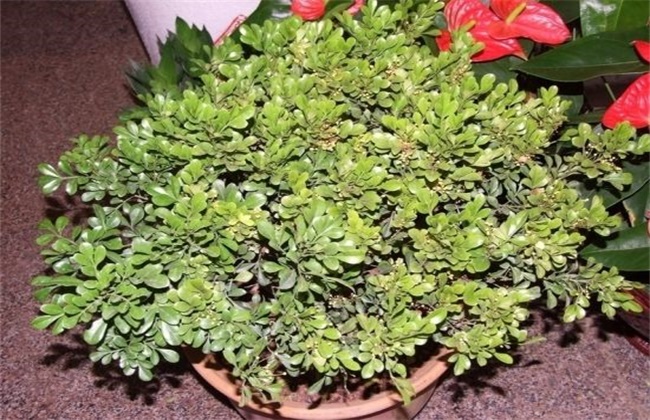
1. Soil on the alkaline side
If the growing soil is alkaline, Aglaia odorata will not only fail to bloom, but may even gradually wither and die as a result. During normal care, if the leaves are not green but yellowing, that indicates the soil is alkaline, which is generally caused by improper fertilizer and water management.
Solution: When the soil is on the alkaline side, promptly adjust the soil's pH value. You can add an appropriate amount of aluminum sulfate solution when watering, or dilute household vinegar with water and water it once every 10 days, so the soil will gradually become slightly acidic.
2. Insufficient light
Aglaia odorata is a light-loving plant. If it does not receive light for a long time, it will not bloom either, because only under sunlight does photosynthesis accumulate the nutrients needed for flowering. If kept in shade for a long time, nutrients will be insufficient and it will be difficult for it to bloom.
Solution: Place Aglaia odorata in a spot with ample light for care, but avoid harsh sun exposure. You can put it on a balcony or in a place with gentle light, and you need not worry about it not blooming.
3. Temperature too low
Aglaia odorata is a plant that is very intolerant of cold. If the winter temperature drops below 5, it will freeze to death, while if the winter temperature is above 12°C, it will affect the plant's normal dormancy, preventing it from accumulating reserves, which affects its normal growth and development afterward and causes it to fail to bloom.
Solution: During winter care, the temperature should be kept between 8-12°C. This ensures that Aglaia odorata will not freeze and also allows it to go dormant and build up reserves, so it can bloom better flowers the following year.
4. Insufficient fertilizer
Nitrogen fertilizer promotes the growth of branches and leaves, while phosphorus and potassium fertilizers promote the growth of roots, stems and flowers. If the phosphorus fertilizer in the soil is insufficient, it will likewise cause Aglaia odorata not to bloom. So improper fertilizing during normal care, such as applying too much nitrogen fertilizer while neglecting phosphorus and potassium fertilizers, will also make it difficult for Aglaia odorata to bloom.
Solution: Apply nitrogen fertilizer while the branches and leaves of Aglaia odorata are growing, and begin increasing phosphorus and potassium fertilizers one month before the flowering period. This lets Aglaia odorata accumulate more nutrients for blooming.
The above is an introduction to the causes of Aglaia odorata not blooming and the solutions, and we hope it helps you. To learn more related knowledge, please stay tuned to us.