What are the precautions for keeping pigeons in cages? A must-read for beginners
Pigeons are a common livestock project. Whether raising meat pigeons, homing pigeons, or racing pigeons, most people choose cage keeping, as this reduces problems such as birds flying away. However, if kept in cages long-term, some problems will arise. Let's take a look together below.
1. Limited space
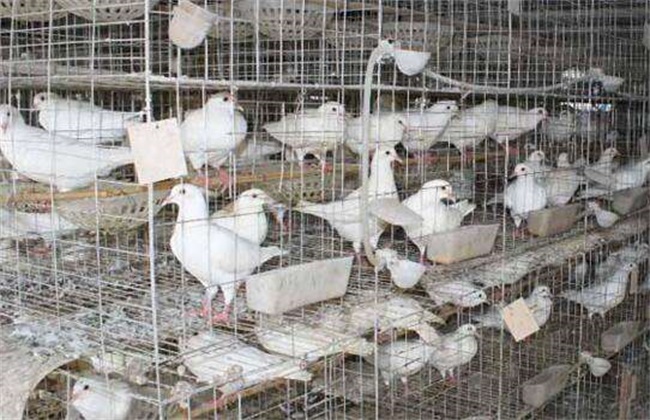
The space in a cage is limited. If cages are used for paired pigeons, the pigeons will feel crowded once their wings are spread, and their wings may even hit the wire mesh of the cage, which also prevents the pigeons from bathing and moving around. So when keeping pigeons in cages, you can take them out into a small cage and let them bathe and move around inside it. If you have a pigeon loft, you can put them in the loft to bathe and rest a bit before putting them back in the cage. Although this is rather troublesome, it keeps the pigeons healthier in spirit.
2. Obesity
Cage keeping causes pigeons to degenerate, and one major reason is reduced vitality and obesity. This problem is mainly caused by feeding. Caged pigeons eat much less than free-range pigeons. Once a caged pigeon eats its fill, it will most likely become obese, and the degree of obesity is usually quite significant. So the food intake of caged pigeons must be controlled. During the brooding period, each feeding should be controlled to six or seven tenths full. When they are not actively eating, you can skip feeding; feeding one less meal will make caged pigeons more spirited.
3. Environmental hygiene
Pigeons defecate fairly quickly. After eating, they absorb nutrients and excrete droppings very fast, so even if only two pigeons are kept in one cage, a considerable amount of droppings can accumulate in a short time. If not cleaned promptly, the cage environment often deteriorates for a long time, and cage keeping makes the droppings stay right next to the pigeons, which has a relatively big impact on them. So caged pigeons should be cleaned as often as possible, especially during brooding, ideally once a day.
4. Nutritional needs
Caged pigeons need comprehensive nutrition. If only grain feed is provided, the types of feed must be varied. This is because caged pigeons get all their sources of mineral elements through health grit, so there must be enough health grit of sufficient variety, and be sure to add some bone meal and shell powder to it. In daily care, also pay attention to feeding some vegetables to supplement vitamins.
The above is an introduction to the precautions for keeping pigeons in cages. We hope it helps you. To learn more related knowledge, please keep following us.