How to grow rain lilies? Detailed guide to growing methods and precautions
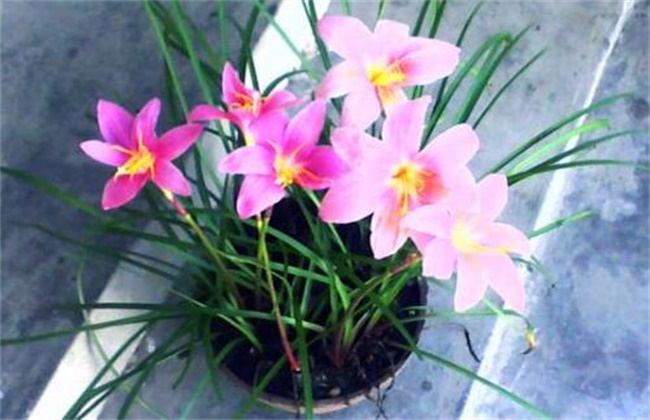
Rain lilies often burst into bloom suddenly after heavy rain in spring and summer, which is how they got the name rain lily; because their flowers resemble lilies, they are also called rain lilies (Zephyranthes). Their colors are vivid, the flowers they produce are very beautiful, and their ornamental value is extremely high. Many people often run into various problems when growing them. Below, let's take a look together at how to grow rain lilies.
1. Suitable potting soil
Rain lilies are fairly easy to grow. When choosing a flowerpot, an ordinary one will do, but you should also consider how big its bulbs are; if the bulbs are larger, you need to use a somewhat larger pot. Rain lilies are not demanding about soil either, but if growing them in pots, you need to choose slightly fertile soil, mainly sandy soil, so as to ensure what they need for normal growth.
2. Light and temperature
Light is indispensable when growing rain lilies. Rain lilies love light, so it is best to give them plenty of sunlight, especially when growing them indoors, where they must be placed in a spot with ample light, such as sunlight. But strong light must also be avoided; in summer they should be kept in scattered light, and in the other seasons they can be in the sun for 6 hours. During care, the temperature should also be adjusted accordingly. Rain lilies like high-temperature environments, and the suitable growing temperature is 32 degrees; to ensure their healthy growth, you should keep them around this temperature.
3. Watering and fertilizing
During growing, watering naturally cannot be neglected either. Rain lilies are not very demanding about watering; you just need to keep the soil suitably moist, but be careful that the soil does not get too dry or too wet, and you need to drain regularly to avoid water accumulation, otherwise the roots of the rain lily will rot. Rain lilies have a relatively high demand for fertilizer, especially during the peak growing season, but you should pay attention to the frequency of fertilizing, generally once every 15-20 days, and you must not overfertilize, so as to avoid leggy growth of the plant.
4. Preventing and controlling pests and diseases
Rain lilies have very few pests and diseases, but if the potting soil has not been treated, it may attract insects such as whiteflies, in which case you need to spray with a low-toxicity insecticide, which can wipe out the insects.
The above is an introduction to how to grow rain lilies. We hope it can help you. If you want to learn more related knowledge, please stay tuned to us.