What are the key points for raising laying hens in autumn
As the poultry species with the largest farming area in our country, laying hens are in very high market demand in China. When we raise laying hens, there are many areas in every season that require our special attention. And as the temperature gradually drops and we enter autumn, even more attention is needed. So what should be noted when raising laying hens in autumn? Below, the editor will give you a brief introduction. Let's take a look!
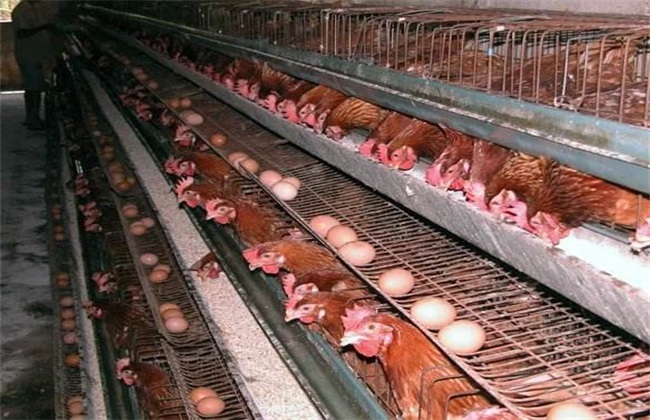
1. Extend the laying period
When raising laying hens in autumn, for old hens that have already gone through a laying year, it is best to extend their laying period somewhat, so as to increase the egg production of the laying hens. Keep the chicken coop environment stable and prevent the laying hens from being stimulated by external factors. In the daily feed, appropriately reduce bran-type feed and increase green feed to enhance the appetite of the laying hens and prevent a decline in body condition. During the molt of laying hens, in order to allow them to resume laying as soon as possible, forced molting can be carried out. If you do not raise hens for two years, then when the laying rate of the hens drops to about 50%, the whole flock can be culled.
2. Forced molting
Forced molting in autumn can allow laying hens to molt synchronously, and the time to start laying is suppressed. During forced molting, an appropriate amount of zinc oxide and zinc sulfate should be added to the daily ration of the laying hens. When feeding feed high in zinc, be careful not to stop providing water, and the lighting time can be reduced to about 7 hours per year. After about a week, the weight of the chickens will roughly drop by about 25%. If it has not dropped that much, then continue feeding the high-zinc ration, and then stop laying. If the feed is restored to normal, on the first day each chicken is fed about 35 g, and about 10 g is added each day. Continue until it reaches 100 g per day, and then the laying hens can be allowed to eat freely.
3. Increase lighting
After entering autumn, the daily natural light will begin to shorten. Laying hens still have a relatively high demand for light when laying, so during the laying period, we must do a good job of artificial supplemental lighting. Use artificial supplemental lighting to make up for the shortage of natural light. When using artificial supplemental lighting, keep the number of times the lights are turned on at about two times per day. Turn them on once at around 5 a.m., until after dawn, and then after dark keep the lights on until around 9 p.m. If it is an overcast day, then the lights should also be turned on appropriately during the day.
4. Increase nutrition
After entering autumn, the laying hens have first gone through a long laying period as well as the hot summer. At this time, the body condition of the laying hens is relatively weak, so in order to restore their body condition, after entering autumn we should pay attention to feeding more high-nutrition feed and increase the nutritional ratio of the feed. Especially nutrients such as protein and vitamins. Let the laying hens recover their laying work as soon as possible, and in spring, we should also provide high-nutrition feed to new laying hens, so as to increase the egg production of the laying hens.
The above is a brief introduction to what to pay attention to when raising laying hens in autumn. That is all for today's introduction. This article is for reference only, and we hope it can be helpful to everyone.