What are the precautions for raising ducks in greenhouses in winter?
Ducks are one of the common meat poultry in our lives, and they are raised across a very wide area in our country. Duck farming is also one of the extremely important farming projects, and with the rise of greenhouse vegetable growing, greenhouse duck farming has also become a favorite among farmers, as it is not only low in cost but also high in farming benefits. As the weather gets colder and colder, there are also many issues to pay attention to when raising ducks in greenhouses in winter. Come learn about them with the editor.
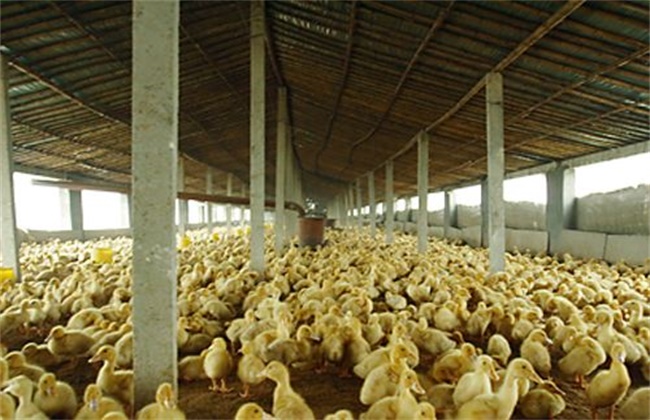
1. Ventilation and exhaust
In winter, to prevent the ducks from getting sick, farmers do not pay much attention to ventilation and focus mainly on keeping warm, but this can also easily lead to excessively high concentrations of harmful gases such as ammonia, thereby causing ammonia poisoning, colds and other diseases in the ducks. After ammonia poisoning, at best it affects the growth and development of the ducks, and at worst it causes mass death, resulting in relatively large economic losses. Poisoning will show as listlessness, complete loss of appetite, some eyelid edema or corneal opacity, and before death there will also be convulsions and paralysis. Therefore, when using a greenhouse, you must choose a plot with high, dry terrain, keep the greenhouse dry and ventilated, install closable skylights on the roof, and leave ventilation openings in the back wall to maintain good air circulation. After discovering poisoning in the ducks, open the skylights and ventilation openings in time for ventilation, and when coughing and difficulty breathing appear, use medication for treatment in time.
2. Keep the duck house dry
When the duck house is too damp, bacteria and parasites also multiply faster, seriously affecting the growth and development of the ducks. Therefore, in winter, in addition to strengthening ventilation, you should also keep the duck house dry and hygienic. The bedding on the floor should be changed once every half month, leaking water troughs should be replaced or repaired in time, and they should not be filled too full when adding water. Duck manure should be removed in time, and at the same time the number of times the floor is washed should be reduced. When the weather is clear, ventilate in time to reduce the concentration of harmful gases in the duck house.
3. Disinfection
Some farmers do not remove manure and clean up in time after the ducks are sold, and instead rush to clean up before a new batch of ducks is brought in. This is a very bad habit. The correct method is to clean up immediately after the ducks are sold, do the disinfection work well, leave the house empty for about 15-20 days, and then bring the ducklings in after a second disinfection. In addition, disinfection work should also be done well during the feeding process. Feeding utensils should be washed and disinfected regularly, and the duck beds should also be disinfected regularly.
The above is an introduction to the precautions for raising ducks in greenhouses in winter. I hope it can help you. If you want to learn more related knowledge, please stay tuned to us.