What effects does the pig house environment have on pigs?
Pigs are the livestock with the largest breeding area in our country, and the market demand for them in our country is very large. When raising pigs, the pig house environment is very important, and a suitable pig house environment has a very large impact on pig growth. If the environment is unsuitable, it will reduce the production performance of pigs and produce various adverse phenomena. So what effects does the pig house environment have on pigs? Below, the editor will give you a brief introduction. Let's take a look together!
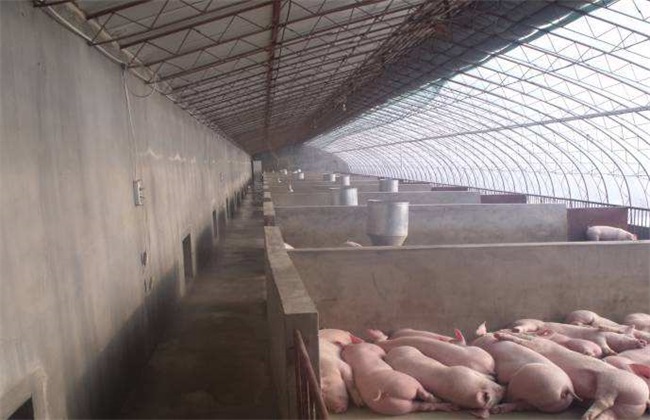
1. Temperature
Pigs are a kind of homoeothermic animal, and only in a suitable temperature environment can the production capacity of pigs be improved. If the temperature is too low, then the daily weight gain of pigs will decline significantly, and feed costs will therefore increase. Piglets, however, need a large amount of milk, which is very unfavorable to breeding benefits. Especially for newborn piglets, they are very sensitive to low temperatures. Piglets have relatively poor cold resistance and are easily frozen to death or even crushed to death by the sow. The temperature should also not be too high; if it is too high, the reproductive capacity of both boars and sows will decline. For example, the conception rate decreases, and the semen quality of boars decreases, etc.
2. Humidity
Humidity is very important to pig growth. The air humidity in the pig house should not be too high. If the humidity is too high, it will directly affect the daily weight gain of pigs. Professional experiments have shown that pigs in humidity of around 80% have higher daily weight gain and consume less feed compared with pigs in humidity of 95%. Moreover, if the humidity is too high, the heat preservation performance of the pig house will also be worse, causing the body heat of pigs to be lost too quickly, consuming too much energy, and seriously affecting pig growth. In addition, a high-humidity environment will also cause feed to become moldy, and pigs are also prone to various respiratory diseases.
3. Light
Light is also an environmental factor that we need to pay special attention to when raising pigs. A suitable light environment can effectively improve feed conversion rate and enhance the growth capacity of pigs. However, light should not be too strong. If the light is too strong, it will cause relatively great harm to the pig body. Sunstroke, photosensitive dermatitis, etc. are prone to occur. Therefore, we must control the light time and intensity well, design suitable pig house windows according to the pig house area, and also plant some plants around the pig house to block light. If natural light is insufficient, then artificial supplemental lighting should be provided in time.
4. Density
Finally, there is density. Density control is also a key factor that directly affects the growth of pigs. If breeding is too dense, then the air quality in the pig house will decline, affecting pig growth and reducing growth speed. If the breeding density is too low, then pig house space will be wasted, and the body heat of pigs will dissipate too quickly, thereby affecting the weight gain of pigs. Therefore, we must pay attention to controlling the breeding density of pigs well. Appropriately reducing breeding density can effectively reduce the temperature and humidity in the pig house, reduce harmful gas content, and ensure normal growth of pigs.
The above is a brief introduction to the effects of the pig house environment on pigs. That is all for today's introduction. This article is for reference only, and I hope it can help everyone!