How to grow lily of the valley? Detailed guide to cultivation methods and precautions
Lily of the valley, also known as valley lily and bellflower, has many varieties, all with unique ornamental value. Common varieties include white lily of the valley, red-flowered lily of the valley, large-flowered lily of the valley, and seven-color lily of the valley, all of which are very suitable for pot cultivation. So how should lily of the valley be grown? Let's take a look together.
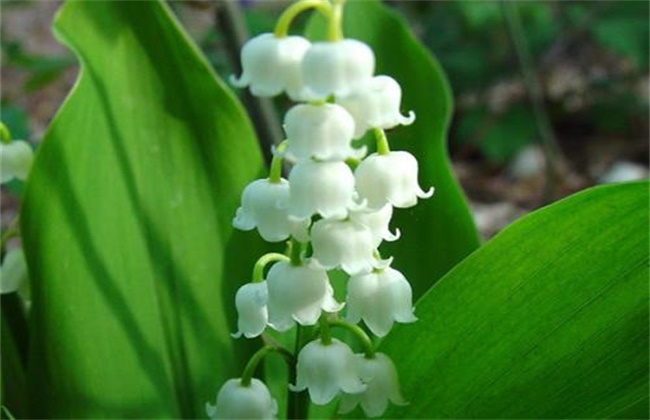
I. Cultivation methods
1. Acidic soil
Lily of the valley likes to grow in sandy soil rich in humus. When potting, a slightly larger flower pot should be chosen. River sand, garden soil, and humus soil can also be mixed in a 4:2:1 ratio as the growing medium. When potting, water thoroughly, and an appropriate amount of bone meal can also be added to the growing medium and fully stirred to provide sufficient nutrients for normal root growth.
2. Light and temperature requirements
Lily of the valley likes to grow in a long-day environment and is not shade-tolerant. During the growing season, daily light must not be less than 8 hours, which can make it bloom earlier. If light is insufficient, flowering may be delayed, and fewer flowers will be produced. At the same time, the growing environment temperature should be controlled at around 20-28 degrees, and in winter it must not be lower than 5 degrees. It should be kept indoors to avoid low-temperature frost damage.
3. Water management
Lily of the valley likes a warm and humid environment, especially in spring and autumn, when its growth is extremely vigorous, so at this time it should be watered sufficiently, and the soil should often be kept moist. When temperatures are high, it should be watered even more. Each watering should be thorough, and there should be no standing water, so as to avoid root rot caused by water accumulation. After the weather turns cooler, watering should be reduced.
4. Fertilizer management
Lily of the valley likes fertilizer. In spring, apply decomposed cake fertilizer once every half month to promote the growth of flowers and leaves, and before winter, appropriately apply a heavier fertilizer once. During the growing season, apply a thin compound fertilizer once every month. In winter, compost or straw mats can be buried in the pot soil to help the plant overwinter.
II. Precautions
The root system has high environmental requirements. During the growth period, weeds should be removed frequently to avoid affecting normal root growth. At the same time, air circulation around it should be enhanced, especially when maintained indoors in summer. Windows must be opened frequently for ventilation to avoid the breeding of pests and diseases. In addition, lily of the valley has a sweet scent, but the whole plant is toxic, so once food has come into contact with it, it should not be eaten, to avoid poisoning.
The above is an introduction to the cultivation methods and precautions for lily of the valley. We hope it can help you. To learn more related knowledge, please stay tuned to us.