Detailed Explanation of Key Technical Points for Soft-shelled Turtle Pond Farming
Because of its delicious meat and high nutritional value, the soft-shelled turtle has become a new favorite on more and more people's dining tables. So how do you farm soft-shelled turtles? In China, soft-shelled turtle farming is divided into industrialized temperature-controlled farming, outdoor pond farming, outdoor pond polyculture, and several other types. Today we are going to talk about how to farm soft-shelled turtles in ponds.
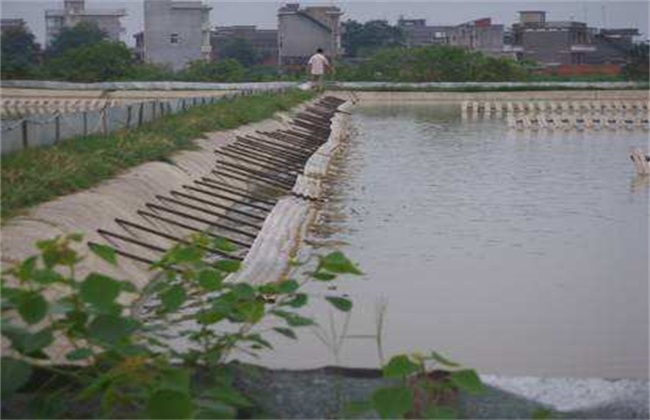
1. Selection of the pond
First is the selection of the pond. Because soft-shelled turtles like cleanliness and fear dirt, like sun and fear wind, and like quiet and fear disturbance, we must pay close attention to the selection of the pond. The pond must be far from all kinds of pollution sources and kept clean, and disinfection work should be carried out before farming. A place should be set up for the soft-shelled turtles to bask their backs. Of course, facilities to prevent the soft-shelled turtles from escaping are indispensable around the perimeter, and a height of about one meter is sufficient.
2. Selection of soft-shelled turtle fry
At present, soft-shelled turtle fry mainly come from industrialized seedling production and batch production by specialized households, as well as wild soft-shelled turtles of various sizes from the market, and everyone can choose according to their own needs. Before the soft-shelled turtle fry are formally farmed, they should undergo a 15-day graded temporary holding period to let the soft-shelled turtles adapt to the environment.
3. Selection of bait
Although soft-shelled turtles are omnivorous animals, they prefer meat. Therefore, when preparing bait, we can choose natural baits such as the internal organs and leftover materials of livestock and poultry, which can both make the soft-shelled turtles feed more efficiently and reduce farming costs. Do not forget to also prepare a small amount of plant-based bait for the soft-shelled turtles; nutrition should be balanced, after all.
4. Points to note
The soft-shelled turtle is a poikilothermic animal, and its body temperature changes with the water temperature, and its food intake also changes with the water temperature. When the water temperature is below 15°C, the soft-shelled turtle stops eating and enters hibernation. 20-30°C is the suitable temperature for farming soft-shelled turtles, and both the food intake and food conversion rate are normal; above 32°C, the food conversion rate of the soft-shelled turtle will decrease. In order to make the soft-shelled turtles grow faster and better, the water temperature regulation work must be done well, keeping the soft-shelled turtles at a temperature suitable for growth.
Because soft-shelled turtles like cleanliness and fear dirt, we must not only clean the pond before farming, but also pay even more attention to water quality issues during farming. The pond water should be changed once every three days, replacing one third of the water volume each time, and pond disinfection work should be carried out regularly. A small amount of aquatic plants can also be planted in the pond, such as water hyacinth and water lettuce, and these aquatic plants can effectively improve water quality and increase the oxygen content of the pond.