How to select seeds for rice flower fish? This way you will breed them better
In the documentary "A Bite of China," glutinous rice flower fish took the spotlight, making people unable to stop swallowing their saliva. So what exactly is the rice flower fish that we rarely see in daily life? Rice flower fish does not specifically refer to a certain kind of fish, but is a product of the rice-fish symbiosis system, mainly carp and crucian carp. Rice-fish symbiosis, as the name suggests, means growing rice and raising fish without neglecting either. Rice with fish soup, just thinking about it makes one drool.
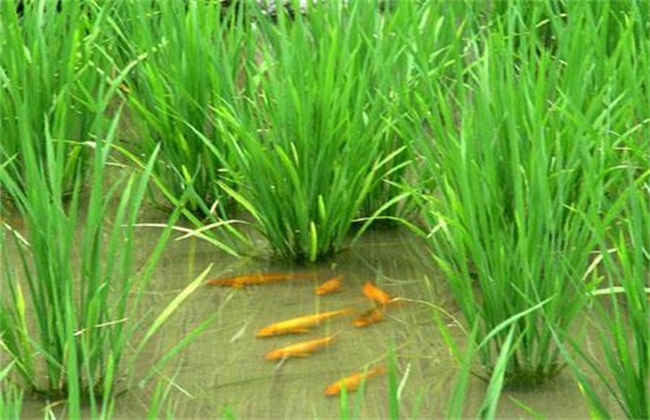
I. Advantages of rice flower fish
Why raise fish together with rice? During their growth, the fish can eat plankton and pests in the rice field, and the fish excrement can also provide nutrients for the rice. In this way, the use of pesticides and chemical fertilizers is reduced, making it green, safe and economical. Moreover, the same rice field produces both rice and rice flower fish, which means two sources of income, making no small contribution to increasing farmers' income.
II. Selection of rice flower fish
Generally speaking, when raising rice flower fish we prefer to choose carp and crucian carp. Why? Because carp and crucian carp have strong vitality and are omnivorous, and can adapt well to various growing environments, so when raising rice flower fish we do not need to worry too much about the fish yield. Other fish, however, will eat the rice seedlings, leading to low rice yield.
III. Breeding of rice flower fish
1. In the selection of rice, we should choose varieties with thick and sturdy stems, tolerance to fertilizer, strong resistance to lodging, and high yield, so as to ensure the rice yield. The water level of the rice field should not be too high, otherwise it is easy to affect the growth of the rice. It is recommended to keep it at about 15 cm, which is the water level suitable for the growth of both rice and rice flower fish.
2. The stocking of fry should be later than the time of transplanting rice seedlings. Sow rice in March and April, start transplanting rice seedlings at the end of April, and stock fry at the end of May. The number of stocked fry should not exceed 300. According to national regulations, the proportion of ditches and pits must not exceed 10% of the planting and breeding area, and must not affect the rice yield.
3. As mentioned earlier, rice flower fish will eat plankton and pests in the rice field, but to make the rice flower fish grow well, these are not enough. The fry still need to be fed once or twice a day. The bait should mainly be biogas residue and green organic matter, so that it will neither affect the growth of the rice nor neglect the nutrition of the rice flower fish.
4. The use of pesticides must be handled with great caution! If pesticides are sprayed excessively, it is very likely to cause mass death of the rice flower fish, and the loss will outweigh the gain. Therefore, when stocking fry, the weeding work in the farmland should be done well to reduce the carriers to which pests and diseases attach. If pest and disease disasters are encountered, do not choose to spray pesticides with strong toxicity, and try to ensure the healthy growth of the rice flower fish.