What preparatory work needs to be done for raising cattle in autumn
Autumn is generally the busiest season for raising cattle, either because they are to be sold off by the end of the year, or because preparations need to be made for next year's breeding. At this time the temperature slowly returns to a more suitable stage, and what follows is the cold winter, so all kinds of things needed to get through the winter also need to start being purchased! So what should be prepared for raising cattle in autumn? And what should be done?
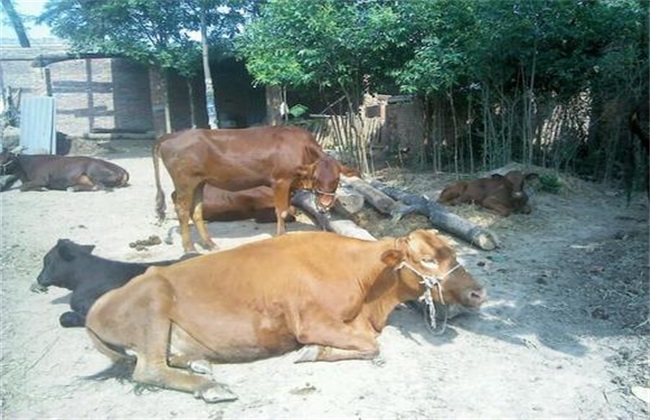
1. Deworming
The first thing to do is certainly deworming. At this time, because the temperature is just right, many parasites that have been dormant for a long time are just waiting for this moment to break out, so deworming is crucial. Deworming here includes two aspects: one is the cattle shed and the other is the cattle themselves. Only by working on both can the healthy growth of the cattle be ensured. The cattle shed can be disinfected by spraying, then rinsed with clean water, and the cattle put back in after it dries. For disinfecting the cattle, first wash their surface with something like a 0.05% phoxim emulsifiable concentrate aqueous solution, then feed tablets such as albendazole for internal deworming prevention, or injectable drugs can also be used. Choose specifically according to the common pests in your local area, and strictly follow the veterinarian's guidance.
2. Forage storage
Facing the long winter, forage storage is very important. After all, in winter even if you want to buy, there are not many places selling it, so it is always good to be prepared yourself. Daily forage is mainly rice straw, corn stalks and the like. The quantity should be stored according to the amount of dry hay, not wet, since wet forage is much heavier. Next, feed and the like are best prepared by around the end of October. If later, there will be one problem of transportation and one problem of price. Other forage should be chosen according to your local crops.
3. Disease prevention
In autumn, diseases such as bovine foot-and-mouth disease and bovine pasteurellosis have a much higher incidence in cattle, and every year many cattle farmers fall because of this. Such diseases all have corresponding vaccines and treatment drugs. The vaccine injection should be staggered from the deworming time, with an interval of about 2 weeks between the two, to avoid discomfort in the cattle. Next, if the nearby veterinarian is far away, you can appropriately buy some prevention and treatment drugs in advance, so that when the disease occurs you have more time to find a doctor and avoid being caught unprepared.
4. Buying breeding cattle
At this time you need to consider next year's calf output. If you lack breeding bulls or cows, you can choose to buy them now. However, for adult cattle you must pay more attention to whether they are normal. Every year many people sell off some substandard cows or breeding bulls at this time to get a high price, and then you will suffer a big loss the next year. You can spend more time visiting the market; there is no need to rush to buy. This will last a relatively long time, so everyone has time to choose carefully. As for worrying that the good ones will all be bought by others, there is no need. Many cattle trading markets have different people coming every day; not everyone is free on the same day.
The above are the preparations to be done in autumn when raising cattle. If the basics are not done well, you are the one who suffers the loss. With cattle raising, sometimes preparing a little more may bring unexpected gains. If you want to learn more about the precautions for raising cattle in autumn, you can follow us!