A detailed guide to soil-based planting methods for bowl lotus, easy for beginners to learn
The demand for bowl lotus as a potted plant has been quite strong in recent years. At present, quite a few farmers are already cultivating and growing it, and the returns are still decent. However, many people who want to grow bowl lotus may still not really know how to grow it, so below we will teach everyone how to carry out soil-based cultivation of bowl lotus. Whether you are a farmer or an individual wanting to grow it, you can learn from this!
1. Seed treatment
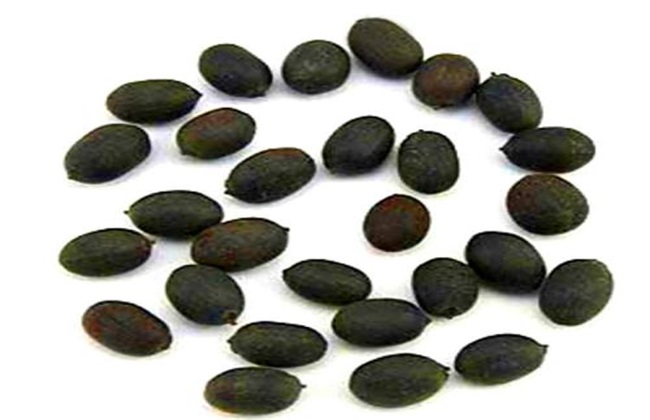
The seed coat of bowl lotus is relatively hard, so if you rely entirely on it breaking the shell and sprouting on its own, the success rate will be relatively low, which is why the seeds need to be treated manually. A bowl lotus seed has one round end and one pointed end. Generally, bowl lotus sprouts from the round end, so you need to properly treat the skin at the round end. The common approach is to lightly crack it or pierce a hole so that there is a gap at that end. This will neither damage the bowl lotus seed itself nor make it easier to wake the seed.
2. Waking the seed
The method for waking bowl lotus seeds is very simple: just soak them in warm water, and they will absorb water on their own and then slowly sprout. The water temperature should not be too low or too high; generally 10-15°C is fine. The seed-waking period will be relatively long, generally sprouting in about 5-7 days, and after 10 days they can be planted out. During the seed-waking period, the water must be changed frequently, preferably once every 6-8 hours. If the temperature is relatively high during seed waking, about 2 times a day is enough.
3. Planting out
When the seed sprouts grow to about 8-10 cm, you can begin planting them out. After taking out the sprouted seeds, there is no need to dry them; they can be planted directly. The soil for planting out does not need to be very fertile, but the upper layer of soil must be relatively porous. Finally, you can appropriately mix in some fine sand. Secondly, the soil must not be compacted, otherwise the bowl lotus sprouts will grow very slowly in the early stage. The soil for planting out is best watered thoroughly in advance, because moisture is one of the factors bowl lotus growth depends on most.
4. Points to note
In the early stage, bowl lotus seeds are relatively fragile, and their root systems are very sensitive to sunlight and fertilizer, so in the early stage they should be exposed to as little sunlight as possible, and generally no fertilizer is needed. When planting out, the pointed part should face downward, and the soil should cover the entire seed, with its skin about 3-5 mm from the soil surface. The covering soil does not need to be specially compacted. The best time to plant bowl lotus is around July-September, as the temperature at this time will make bowl lotus grow relatively fast. If the soaked seeds still have not sprouted after more than 10 days, then the seeds are basically useless, and you can consider replacing the seeds.
The above are the soil cultivation methods for bowl lotus. Of course, it can also be grown hydroponically. Those interested can keep an eye on our later articles. When farmers plant it, do not put too many seeds in each pot for seed waking, otherwise these are prone to crossing over each other when sprouting. It is best to make them face one direction, so they are less likely to cross.