How can pigeon farming be made more profitable?
Pigeons are now another type of poultry in our country second only to chickens, ducks and geese, and some people also list them as the fourth largest poultry. Pigeon farming has multiple uses such as pigeon eggs, pigeon meat and pet pigeons, so the scale of pigeon farming in our country is now relatively large. However, many farmers find that the farming profitability is not very ideal when raising pigeons. So how can the profitability of pigeon farming be improved? Let's take a look together below!
1. Select superior breeds
If you want to improve the profitability of pigeon farming, you first need to choose a high-quality breed. Breeding pigeons must be large in body size, strong in physique, pure in feather color, strong in growth capacity and highly capable of reproduction, with a breeding life of about 5 years, of which the peak period is three years. A good breeding pigeon can generally produce about 20 squabs per year, with a minimum of 11. Differences in fertilization and egg-laying rates may be caused by factors such as nutritional levels. When introducing breeding stock, do not be greedy for cheapness and introduce sexually immature young pigeons; make sure they have outstanding breed characteristics.
2. Good rearing conditions
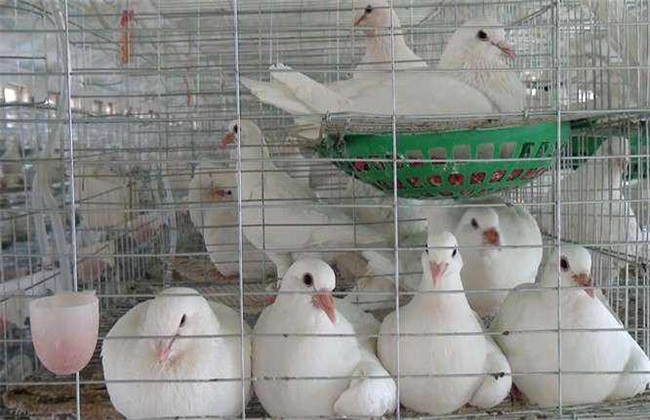
The requirements for a pigeon house are not high and it can be appropriately simple. However, some basic conditions should be noted: it should be built in a place with high terrain, dryness, good drainage and irrigation, and quietness. The pigeon house should have the most basic function of sheltering from wind and rain, be able to withstand the scorching sun, and have strong moisture resistance. A good rearing environment is the key to ensuring normal growth and reproduction of pigeons, and it is also a condition for improving pigeon farming profitability. Pigeon farming generally has two methods, cage rearing and floor rearing, and the rearing density should be controlled well according to the different rearing methods.
3. Comprehensive feed nutrition
If you want to raise meat pigeons well, you must first raise the breeding pigeons well. Although the feed intake of breeding pigeons is not very large, the feed must still be guaranteed to be comprehensive in nutrition. A breeding pigeon needs about 46g of feed per day, and the amount fed each time should preferably be such that a small amount remains after the pigeons finish eating. Do not feed too much, as too much will lead to feed waste and thus increase farming costs. The feed is generally based on grains such as paddy rice and corn. We should reasonably adjust the proportion of nutrients such as energy and protein in the feed according to the growth stage of the pigeons, and ensure there is sufficient clean drinking water to meet the various needs of pigeon growth.
4. Strengthen the management of breeding pigeons
We should adjust management methods according to the different growth stages of breeding pigeons, such as the pairing period, incubation period, brooding period and so on. The nutrition in the feed should be emphasized differently, and an appropriate amount of health sand should be provided to create a suitable growing environment for the pigeons. The purpose is to improve the egg-laying rate and fertilization rate of the pigeons. In addition, we should appropriately increase lighting, ensure that every pigeon has sufficient space for activity, and improve the growth and development speed of the pigeons. After sexual maturity, we should do a good job of selecting the superior and eliminating the inferior, carry out natural or artificial assisted pairing work, expand the pigeon flock, and enhance the production capacity of the pigeons.
The above is a brief introduction to how to improve pigeon farming profitability. That is all for today's introduction. This article is for reference only, and we hope it can help everyone!