How to Propagate Fuchsia? A Detailed Guide to Common Propagation Methods
Fuchsia, also known as lady's eardrops, is a perennial subshrub that is now cultivated on a very large scale in northwest and northern China and other regions. Fuchsia has very high ornamental value and is suitable for decorating living rooms, bedrooms and more, and market demand for it in China is relatively large. So when growing fuchsia, how should it be propagated? Below, the editor brings you the propagation methods for fuchsia. Let's take a look!
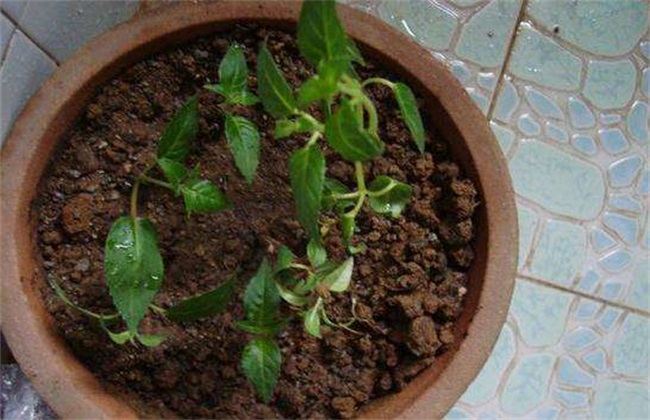
1. Cuttage Propagation
Cuttage propagation is a commonly used method for fuchsia, and it can be carried out in spring, autumn and winter. However, cuttings taken in spring root the fastest, followed by autumn. Before taking cuttings, you must first select good cuttings, as the quality of the cuttings directly affects the survival rate of the cuttage. Choose vigorous, pest- and disease-free, non-lignified branches that grew within the past two years. Then cut them into cuttings about 8 cm long, keep about 3 leaves on the upper part, and then remove all the leaves from the lower part of the cutting.
After selecting the cuttings, soak the base of the cuttings in a potassium permanganate solution or similar for about half an hour, then take them out and insert them directly into the substrate. The cuttings substrate can be common materials from daily life such as garden soil and river sand. This is because this kind of substrate causes the least damage to the tender roots of the cuttings and can increase the survival rate of the tender roots. Then insert the cutting about halfway into the substrate. After inserting, water promptly, then provide sufficient light, watering about twice a day, and roots will form in about 3-4 weeks.
2. Layering Propagation
Layering propagation is also suitable for propagating fuchsia. The timing for layering is the same as for cuttage propagation, with spring and autumn being the best. Also select a vigorous, wound-free branch from the fuchsia plant. Then, at a point about 15-30 cm from the tip of the branch, girdle the branch, keeping the width at about 1 cm, and just peel off the outer skin. Then use plastic film filled with some moist garden soil to wrap around the girdled part of the branch. Then tie the two ends of the film tightly so that the middle bulges out, and roots will form in about five weeks. Then separate the branch from the mother plant, and it becomes a new plant.
3. Seed Propagation
In addition to the above propagation methods, fuchsia can also be propagated by seed. After fuchsia blooms, it will produce seeds. When fuchsia is propagated by seed, the process is relatively slow, so it is suitable for large-scale propagation. Fuchsia seeds do not need to be treated; simply scatter the seeds onto the soil. Keep the temperature at around 24°C, maintain soil moisture, and avoid direct sunlight. Roots and sprouts will appear after about 30 days, but fuchsia seedlings grow relatively slowly, so it also takes more time.
The above is a brief introduction to fuchsia propagation methods. There are many propagation methods for fuchsia, and you should choose according to the actual situation and your own habits. That is all for today's introduction. This article is for reference only, and we hope it can help you!