What are the precautions for feeding rabbits?
Feeding is crucial when raising rabbits, but there are also some taboos involved. Some breeders' rabbits keep having problems precisely because they violated these taboos, which leads to poor feeding results. Let's take a look below at what to pay attention to when raising rabbits and how to feed them for better results!
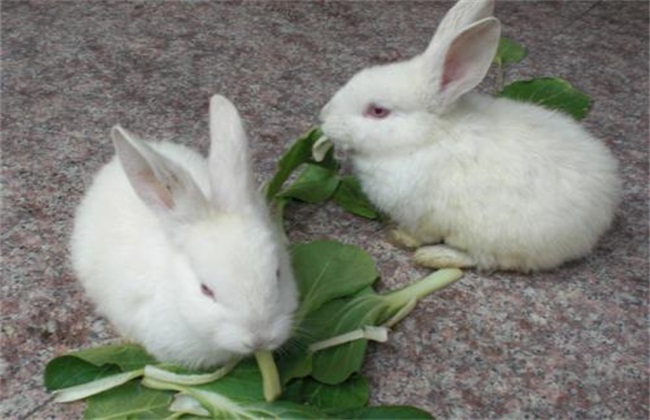
1. Feed selection
The first thing to be clear about is feed matching. Pure feed or pure grass are both undesirable choices. The former easily leads to a decline in the rabbit's digestive ability and makes the fattening effect less obvious, while the latter easily causes the rabbit to have frequent diarrhea and a decline in health. The feeding focus differs between the young rabbit and adult rabbit stages. During the young rabbit stage, the main goal is to build a good foundation, so the feed mix at this time should focus on supplementing various trace elements, with more grass and feed as a supplement. For adult rabbits, the main goal is fattening, so daily feeding should be mainly feed, with grass and similar items appropriately supplemented after feeding feed, or some vegetables left out daily for them to nibble freely, so the fattening effect is relatively obvious.
2. Feed an appropriate amount
When feeding rabbits, it is taboo to let them have one full meal and then go hungry for a while. Not only is this bad for their health, it also makes them thinner. Generally, the feed for rabbits is increased gradually, and the amount will slowly rise, but many people do not know how much to increase. Most people will probably leave some vegetables in the cage after feeding so the rabbits can eat freely. You can compare the amount of vegetables left in the rabbit cage about half an hour after the rabbit eats each week; the difference between the two is roughly the amount of feed you need to slowly increase. Only by feeding rabbits an appropriate amount at each stage will they grow big and good later.
3. Feeding frequency
The feeding frequency for rabbits also has its particularities. Young rabbits should eat small meals more often, so they can digest all the food each time as much as possible. Adult rabbits should be allowed to eat their fill and eat well to ensure their constant energy consumption and help them gain weight quickly. During the young rabbit stage, feed about 4 times a day, roughly once every 6 hours, and stop each time when the young rabbit's eating speed clearly slows down quite a bit. For adult rabbits, feed once in the morning and once in the evening, with a little more in the evening, preferably with some left over; the fattening effect at night is relatively more obvious. If the rabbit digests too quickly, you can appropriately supplement feed in between.
4. Ensure feed quality
Many breeders may not care about this and think they are doing very well, but in fact this quality does not merely mean feeding feed that has not gone bad. First, half of the feed's shelf life when bought is basically around 1-2 months. Second, some spoiled feed cannot be seen from the outside, so it is recommended that each batch of stored feed be finished within about 1-2 months. Also, leftover feed in the feed trough is more likely to spoil. If feed remains there for a long time while the breeder keeps adding fresh feed, then the rabbit will keep eating the feed on top, and the feed below will definitely spoil after a long time. So either stir the feed when feeding so the rabbit can eat the leftover feed from before and clean the feed trough once every 2-3 days, or clean the feed trough regularly so the rabbit eats fresh feed every time.
The effect of feed on rabbits is long-term. When feeding, try to pay attention to all the details, so it is safer. Second, when feeding rabbits, observe more yourself to see how to feed and what to feed for better results.