How to grow hostas? Detailed guide to cultivation methods and precautions
Hosta, also known as the white crane immortal, is a perennial herbaceous plant of the Liliaceae family. It is also a plant native to our country, and its planting area in China is very large. The ornamental value of the hosta is very high, and its root can also be used as medicine, with various effects such as clearing heat and detoxifying, and relieving cough and soothing the throat. So how should hostas be cultivated? Below, the editor has brought you the cultivation methods and precautions for hostas. Let's take a look together!
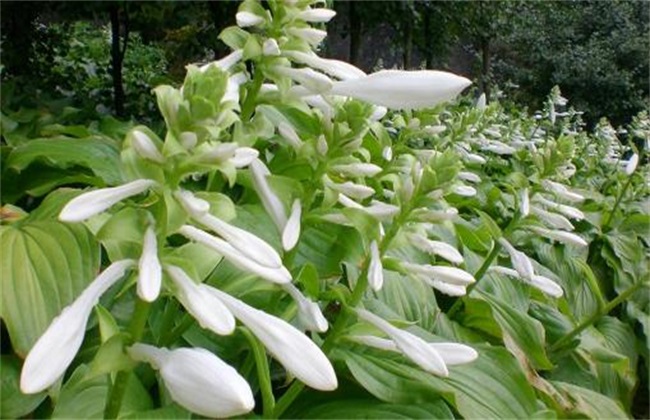
1. Soil selection
Although hostas are not very strict about soil requirements, they like to grow in soil rich in humus, loose, and with strong permeability. Suitable soil can enhance the growth ability of hostas and improve their ornamental value. If the hosta is potted, then the culture soil should be prepared mainly from materials such as peat, perlite, and ceramsite, with a ratio controlled at 1:1:0.5. Soil selection is the first step in cultivating hostas and is also a very important step, so everyone should pay more attention to it.
2. Propagation methods
There are two propagation methods for hostas: division and sowing, but division propagation is generally the main method. After a hosta has grown for about one year, it can sprout about 3 buds, and at this time division propagation can be carried out. The time for division propagation is in March. Dig out the old plant, then dry it for about two days, so that it is in a state of water loss. When dividing, make sure the tool is sharp enough, and after division, apply an appropriate amount of charcoal powder to the wound. Generally, one plant can be divided into one bud per piece. After division, water thoroughly, and then do not water too much later, to prevent root rot. After division, plant them separately to make them individual plants, and they usually bloom in the same year.
3. Temperature control
Hostas like to grow in a warm environment, so growth in high-temperature environments will be inhibited. Therefore, attention should be paid to lowering the temperature through ventilation, spraying water on the ground, and other methods. At the same time, the temperature should not be too low, especially in winter, and good cold protection and insulation work must be done. If the temperature is below zero, potted hostas should be wrapped with plastic film, but the film should be opened every two days to let the plant breathe, and after the temperature gradually rises in spring, the film can be removed.
4. Precautions
Hostas like to grow in a humid environment, so attention should be paid to keeping the soil moist. In summer, water frequently, about twice a day; on rainy days and low-temperature days, water less or not at all, and be careful that water does not accumulate in the soil. Then provide suitable light for the hosta. Except for summer, the hosta can receive sunlight in the other three seasons, but in summer, direct sunlight should be prevented, and shading work should be done well. Finally, do a good job with fertilization, and control the amount of fertilizer according to the season and the growth period of the hosta. For example, during the flowering period, the hosta has a large nutritional demand, and fertilizer should be applied about once a week.
The above is a brief introduction to the cultivation methods and precautions for hostas. That's all for today's introduction. This article is for reference only, and I hope it can help everyone!