How much watering counts as soaking through for a clivia? What to do when you have overwatered it
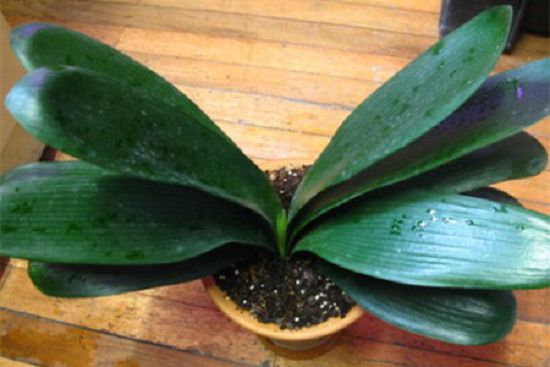
I. How to tell a clivia has been watered through
1. When watering a clivia, follow the principle of watering as soon as the soil is half dry, and watering as thoroughly as possible when you do. But you should not water just because the surface layer of soil looks dry. Otherwise, if the soil stays wet and muddy for a long time, root rot and dull, yellowing leaves are very likely to occur.
2. When watering, be careful not to let water get into the center of the leaf rosette, otherwise rot of the leaf heart is very likely to occur.
3. You can use the soaking method: find a basin larger than the clivia's pot, put the clivia pot inside it and fill it with water, and let the clivia absorb water through the drainage holes of the pot. This gives a better watering result, the soil is less likely to become compacted, and its water retention and water-holding capacity are much better than with direct watering, but the drawback is that it takes a bit longer.
II. What to do if you have overwatered a clivia
Clivia leaves are broad on the surface and soft and delicate in texture, but the plant grows slowly and its roots do not take up much water, while the leaves transpire a great deal. So a clivia must never be overwatered, otherwise the roots wither and shrink, the leaves become thin and flat, the leaf surface turns dull, and in serious cases yellowing appears. If you have overwatered it, you can use the following methods:
1. Usually the clivia pot has drainage holes at the bottom, and the water will drain out from the bottom, so there is no need to worry too much.
2. If it is still very wet after draining from the bottom, move it outdoors at once, expose it to direct sunlight and give it ventilation so the water evaporates as quickly as possible.
3. You can also tip the potting soil out and sun it, then replant it back into the pot once the soil is loose and soft.