What to Do When Soft-Shelled Turtle Farming Costs Are High? Practical Cost-Reduction Methods Shared
The market for soft-shelled turtle farming is currently very saturated, and the farming area is very large. Soft-shelled turtle meat is tender and soft, and its nutritional value is also very high. However, as more and more people farm them, if you want to improve the economic returns of soft-shelled turtle farming, then reducing farming costs as much as possible is the key. So how can you reduce the cost of soft-shelled turtle farming? Below, the editor will give everyone a brief introduction. Let's take a look together!
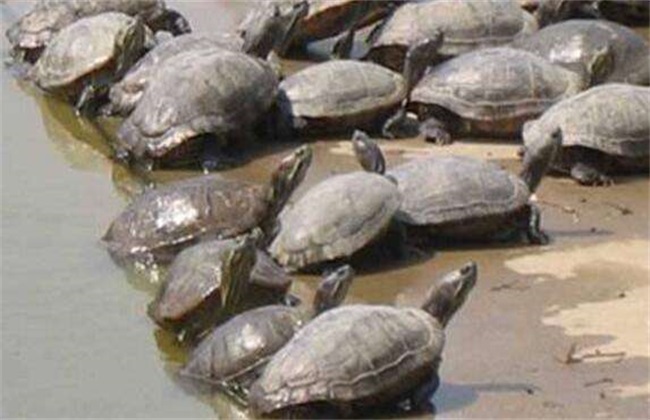
1. Choose Good, Superior Breeds
The selection of soft-shelled turtle fry is very important, as it directly affects whether the farming succeeds or not. Whether you keep breeders in the pond that year or buy fry from outside, you must ensure the fry come from legitimate sources, are robust and disease-free, and have no wounds. Only in this way can you ensure the overall growth capacity of the soft-shelled turtles, and it is best to stock the fry early, mainly using large-sized fry. Each batch of stocked fry should be raised in dedicated ponds to increase the survival rate of all fry. If the farming scale is relatively large, then you need mature artificial fry-breeding technology and should mainly rely on self-breeding and self-raising, so that you can effectively reduce fry costs.
2. Feed Management
Feed is the largest single expense in soft-shelled turtle farming. It generally accounts for about 3/5 of the total cost, so while ensuring feed utilization, you should reasonably reduce the feed conversion ratio. If you use commercial feed, then you must choose well-known complete feed with guaranteed quality and good results. If you mix it yourself, then you should comprehensively consider nutrition, additives, raw materials, and other aspects. Meet the nutritional needs of soft-shelled turtle growth, and no matter what kind of feed it is, pay attention to stirring the feed, watch the feed's stickiness, and feed it on the water surface, following the principle of feeding more times but less each time, to avoid waste and water pollution.
3. Daily Management
When farming soft-shelled turtles, we must also strengthen management and do daily work such as pond clearing and disinfection. Then pay attention to regulating water quality to create a good living environment for the soft-shelled turtles. We should patrol the pond frequently and observe the soft-shelled turtles' living conditions, such as activity, feeding, and water color. If there are any abnormalities, adjust in time. Then, according to the size of the soft-shelled turtles, do a good job of pond separation for rearing. If it is winter, strengthen insulation work to ensure the soft-shelled turtles can safely overwinter.
4. Disease Prevention and Control
Disease prevention and control for soft-shelled turtles should mainly focus on prevention, with the goal of healthy farming. Because once soft-shelled turtles get sick, they will be affected to some degree and farming returns will be reduced, and we also need to spend money on medicine. Therefore, strengthen prevention work, do disinfection and health care in normal times, and regularly disinfect the pond with quicklime. Then you can add some traditional Chinese medicine to the feed to improve the soft-shelled turtles' disease resistance and prevent disease. If you find that soft-shelled turtles have become ill, isolate and treat them in time, handle them according to the symptoms, and do not use medicine blindly.
The above is a brief introduction to how to reduce soft-shelled turtle farming costs. That is all for today's introduction. This article is for reference only, and I hope it can help everyone!