Detailed Explanation of the Key Points of Small-Tailed Han Sheep Breeding Technology
The Small-Tailed Han sheep is currently a relatively popular breed of sheep for farming on the market, and its farming area in our country is very large. The economic value of the Small-Tailed Han sheep is also relatively high. When raising Small-Tailed Han sheep, their estrus and breeding work is very important. So how should breeding be carried out when raising Small-Tailed Han sheep? Below, the editor brings you the breeding technology for Small-Tailed Han sheep. Let's take a look!
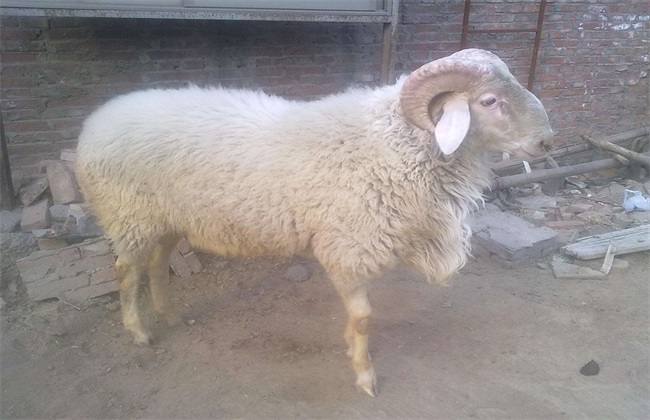
I. Estrus Season
Generally speaking, Small-Tailed Han sheep can come into estrus throughout the year. However, because it is a short-day breeding livestock, around the Mid-Autumn Festival each year, as the natural daylight hours shorten and the temperature gradually drops, most of them concentrate their estrus during this period. Therefore, we can also adjust the breeding time of Small-Tailed Han sheep by artificially controlling light. Temperature is the main factor affecting ewe estrus; in a low-temperature environment, ewes are prone to estrus. Rams also generally have a higher libido in autumn, and neither winter nor summer is suitable for breeding.
II. Breeding Methods
1. Free Mating
The free mating method is relatively simple: keep rams and ewes together for mixed rearing. After the ewes come into estrus, they mate freely with the rams. Free mating can save a lot of manpower and feed. As long as the ratio of males to females is well controlled and the ram's energy and semen quality are ensured, the conception rate is still relatively high. However, the rams will chase the ewes, which affects the ewes' fattening. Moreover, the production period cannot be controlled, and inbreeding is likely to occur. In addition, the expected due date of each ewe cannot be effectively known, and reproductive tract diseases are likely to occur.
2. Artificial Assistance in Mating
Artificial assistance in mating can effectively improve the utilization rate of rams. During the non-breeding period, ewes and rams are kept separately according to plan. Then during the breeding period, records are kept and rams are swapped for each group of ewes, making it possible to know the expected due date of each ewe. However, relatively speaking, it requires more manpower, and we must clearly understand the estrus time of each ewe. Rams are used for teasing to ensure that good breeding opportunities are not missed. Compared with free mating, it requires more effort.
3. Artificial Insemination
Artificial insemination is the use of artificial insemination equipment to collect semen from rams, then carry out quality inspection, vitality dilution, and other work on the semen. Then relevant instruments are used to inject it into the ewe's reproductive organs. Artificial insemination can ensure the utilization rate of excellent breeding rams. The number of ewes bred per semen collection from a ram can be maintained at about 12. Under normal circumstances, throughout the entire breeding season, about 400 ewes can be mated. Moreover, rams and ewes do not come into direct contact, so certain diseases can be prevented.
The above is a brief introduction to the breeding technology for Small-Tailed Han sheep. That is all for today's introduction. This article is for reference only and I hope it can help everyone!