What to do about nutritional exhaustion in cattle? Symptoms and prevention and control measures
Nutritional exhaustion in cattle often occurs on cattle farms, causing cattle to become thinner and thinner as they are raised; in addition, cattle consume physical strength when moving, and during pregnancy or illness they do not want to eat, leading to emaciation and decline in physical strength, which is a rather headache-inducing matter for farmers. So what symptoms does nutritional exhaustion in cattle have? How can it be prevented and controlled? Let's take a look together.
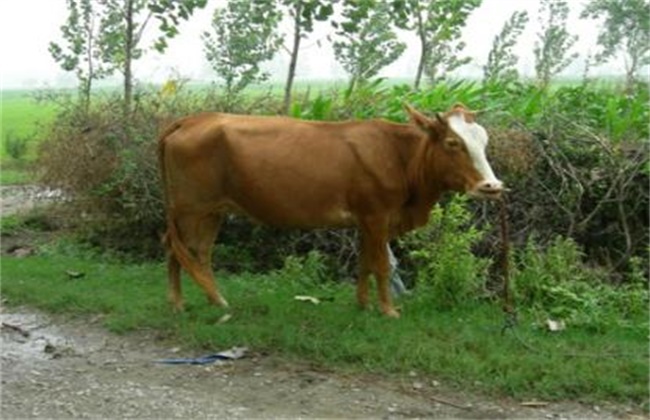
1. Symptoms of nutritional exhaustion in cattle
The prominent manifestation of nutritional exhaustion in cattle is progressive emaciation. The coat of affected cattle is rough and coarse, lacks gloss, and falls off easily; the skin is dry, reduced in elasticity, and prone to scaling. The visible mucous membranes become pale in color, even white, or show varying degrees of yellow staining; body temperature changes are not obvious or sometimes decrease, while respiration and pulse rates vary over a relatively large range, being lower at rest and increasing markedly after exercise, and difficulty breathing and palpitations may even occur.
2. Preventive measures
To prevent this disease, feeding management should be strengthened and the occurrence of other diseases reduced. In winter and early spring, when forage is scarce, sufficient feed should be prepared in advance, and attention should be paid to cold protection and warmth. On sunny days, cattle can be allowed to bask in the sun more, and the barn should be kept clean and hygienic. For pregnant cattle and lactating dairy cows, a complete and sufficient amount of feed must be given to ensure adequate nutrition. In addition, prevention should be taken against the occurrence of chronic diseases such as indigestion, tuberculosis, trypanosomiasis, and fascioliasis.
3. Treatment methods
While ensuring adequate nutrients, treatment can be carried out in combination with drugs. An appropriate amount of dry yeast can be fed directly or mixed into the feed. An appropriate amount of artificial salt and sodium bicarbonate can be added to the feed or drinking water, and more wheat bran porridge, wheat paste, millet soup, and high-quality green fodder should be given; these feeds have high nutritional value and are easy to digest. For cattle with poor appetite, 5% glucose solution can be injected intravenously, 1000-1500 ml each time. While injecting the glucose solution, intramuscular injection of adenosine triphosphate can be tried, once a day, 200 mg each time; however, note that this drug should not be used when the body is extremely weak and the appetite is almost completely lost.
The above is an introduction to the symptoms and prevention and control measures of nutritional exhaustion in cattle. We hope it can help you. To learn more related knowledge, please stay tuned to us.